

Hydroxychloroquine Deals – Lowest Prices & Rapid Delivery
Finding a Reliable Source for Hydroxychloroquine
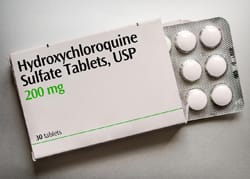
Licensure and domain trust are the first checkpoints when hunting for an online pharmacy. A legitimate site will usually carry a state or federal license number, often displayed in the footer or “About Us” section. Look for domains ending in .gov or .edu; these are government‑issued and tightly regulated. In contrast, rogue sites frequently use generic top‑level domains like .com or .net without any verifiable credentials.
Secure connections matter too. Hover over the address bar to see a lock icon and ensure the URL begins with https://. HTTPS encryption protects your personal data and confirms that the site has passed basic security checks. Many counterfeit pharmacies will only offer an unsecured http://, leaving you vulnerable to data theft or phishing.
LegitScript ratings add another layer of scrutiny. Legitimate pharmacies are vetted by this independent watchdog, which evaluates prescription requirements, pharmacist availability, and privacy practices. A “Legitimate” rating means the pharmacy complies with all applicable laws and has no history of malpractice. Rogue sites almost never carry a LegitScript badge; instead, they may display generic logos or claim “Fast Shipping” without any regulatory backing.
When a site lacks a LegitScript rating, be cautious. These unclassified pharmacies often operate in gray zones—legal in one jurisdiction but not the U.S.—and can slip through security filters. The study from 2022 found that 70% of online pharmacies were rogue or unapproved, highlighting how easy it is for consumers to stumble upon unsafe options.
Red Flags That Signal Trouble
A glaring red flag is a No Prescription Required claim. Legitimate pharmacies will ask for a valid prescription from a licensed provider; a refusal of this step indicates potential fraud. Rogue sites may also offer “bulk discounts” that seem too good to be true—$5 per bottle versus the standard $30 range in reputable stores.
Another warning sign is the absence of pharmacist contact. A legitimate pharmacy will list a qualified pharmacist’s name, credentials, and a direct phone number or live chat option. If you can’t reach a licensed professional for counseling on dosage or side effects, the site is likely unreliable.
Watch out for bulk discounts without limits. Sites that promise “unlimited” bottles at steeply reduced prices are often selling counterfeit or expired medication. Legitimate pharmacies typically cap purchases to prevent misuse and ensure proper monitoring by healthcare providers.
How to Verify Before You Buy
- Check the license number: Enter it on your state pharmacy board’s website; a match confirms legitimacy.
- Confirm HTTPS and domain: A lock icon plus .gov or .edu is a strong indicator of trustworthiness.
- Search for LegitScript status: Visit LegitScript and enter the pharmacy’s URL. A “Legitimate” badge is reassuring.
- Read patient reviews: Look for detailed experiences on independent forums or consumer sites; vague or overly positive reviews may signal fake testimonials.
- Compare prices: If a price is markedly lower than the average $25–$35 per bottle, double‑check the source and authenticity of the product.
By combining these checks—licensure, secure domain, LegitScript verification, and clear pharmacist access—you can steer clear of rogue pharmacies. Remember, the safest route to hydroxychloroquine is through a licensed provider who can tailor dosing and monitor for side effects, rather than chasing discounted bottles from unverified sites.
For an in‑depth look at how online pharmacies slipped through regulatory cracks during the COVID‑19 pandemic, see the 2022 study: COVID-19 Treatments Sold Online Without Prescription Requirements in the United States.
Dosage Guidelines and How to Choose the Right Strength
The standard malaria regimen calls for a loading dose of 600 mg on day one, followed by 300 mg twice daily for four days. In contrast, early COVID‑19 off‑label protocols often capped the total daily intake at 400 mg to mitigate cardiac risks. Those who swore by the “two‑tablet” approach were usually chasing a quick spike, not a steady therapeutic window.
Online shelves tend to stock two common strengths: 200 mg and 400 mg tablets. A single 200‑mg pill delivers one‑third of the malaria loading dose, while a 400‑mg tablet gives you the full first‑day punch but doubles the daily exposure for the subsequent days. Think of it as choosing between a sprint and a marathon: the 400‑mg version is a rapid burst that can be tapered, whereas the 200‑mg option spreads the load over a longer period.
When you have a prescription in hand, match the total daily dose to the number of tablets per day. If your doctor wrote “300 mg BID,” you’ll need one 200‑mg tablet plus an extra 100 mg—often supplied by a 200‑mg pill and a half of another. If no prescription exists, don’t gamble with half‑tablets; instead, seek professional guidance before buying.
Typical Online Strengths
The most frequently listed options are the 200‑mg and 400‑mg tablets. A single 200‑mg pill translates to a daily intake of 200 mg when taken once. If you’re aiming for a malaria loading dose, you’ll need three of those on day one, then two per day thereafter.
Conversely, the 400‑mg tablet doubles that amount in one capsule. A patient following an off‑label COVID protocol might take one 400‑mg pill twice daily, reaching 800 mg total—a figure that sits comfortably within the upper safety margin for most adults but still requires monitoring for QT prolongation.
When shopping online, check the product description for “200 mg” or “400 mg.” Some vendors bundle 30 tablets in a bottle, offering $15–$25 per pack depending on the strength. Prices can fluctuate based on shipping fees and whether the site claims bulk discounts.
How to Align Your Purchase with Your Prescription
- Read the label: Verify that the tablet count matches the daily dose your doctor prescribed.
- Confirm strength: A 200‑mg tablet cannot replace a 400‑mg dose without adjusting the number of pills per day.
- Ask about split dosing: If you need a 300‑mg daily dose, request two 200‑mg tablets and a half pill—most pharmacists can advise on safe splitting techniques.
If you’re unsure whether your prescription matches the online product, contact your prescribing clinician or a licensed pharmacist before completing the purchase. They can confirm the correct strength and dosage schedule, ensuring you don’t end up with an excess supply that could lead to accidental overdosing.
| Strength | Typical Daily Intake (mg) | Malaria Loading Equivalent |
| 200 mg tablet | 200–400 mg/day | 1/3 of 600 mg loading dose |
| 400 mg tablet | 400–800 mg/day | Full 600 mg loading dose in one pill |
For a deeper dive into the safety concerns surrounding online hydroxychloroquine purchases, visit this authoritative source.
Price Breakdown: What You’ll Pay in USD
The average retail price for a single 200‑mg hydroxychloroquine tablet on reputable U.S. pharmacies sits around $0.80. In contrast, rogue sellers often slash the sticker to as low as $0.30, but that bargain comes with hidden risks—mislabeling, counterfeit formulations, and no pharmacist oversight.
When you flip the switch to bulk orders, the math changes dramatically. Buying 100 tablets at a legitimate site drops the unit cost to roughly $0.60, while rogue marketplaces may push it down further to $0.25. The break‑even point—where bulk purchasing becomes cheaper than individual buying—usually lands between 50 and 75 units, depending on shipping tiers.
However, the savings can evaporate once you factor in ancillary charges. International orders from overseas pharmacies typically incur a $5–$15 handling fee plus an extra $10–$20 customs clearance cost if the shipment exceeds $50. Shipping itself ranges from $7 to $25, depending on speed and carrier, pushing the final price per tablet back toward or even above the single‑unit retail rate.
Bulk Purchase Pricing Tiers
Legitimate U.S. suppliers often tier their bulk pricing: 30 tablets for $23 (≈$0.77 each), 60 tablets for $45 (≈$0.75 each), and 120 tablets for $80 (≈$0.67 each). The discount curve flattens after 120 units, so buying more than a few hundred pills rarely saves money unless you’re a pharmacy or a research lab.
Rogue sellers, by contrast, advertise “buy 200 tablets for $50,” which translates to $0.25 per pill. Yet the fine print often hides a $30 shipping surcharge and a mandatory $20 customs fee that only shows up during checkout, erasing most of the apparent savings.
When you’re planning a long‑term regimen—say, 180 days at 200 mg twice daily—you’ll need 360 tablets. A legitimate bulk purchase would cost around $240 plus shipping, whereas a rogue offer might look like $90 but could balloon to $150 once fees are added.
Hidden Fees: Shipping, Handling, Customs
Most U.S. pharmacies ship via USPS or UPS, charging between $7 and $15 for standard delivery. Expedited options can push that up to $25–$35. The handling fee—often a flat $5—covers packaging and insurance against loss.
Customs duties become relevant only when the order crosses international borders. For orders over $50, many carriers add a $10–$20 customs clearance charge that can be split between buyer and seller depending on the agreement. In rare cases, the duty may be higher if the product is classified under a restricted category.
To avoid surprises, always check the “total cost” field before finalizing your purchase. Some rogue sites hide the shipping and customs fees until after you enter payment details, turning a $0.30 tablet into a $1.20 one once all charges are summed.
- Reputable U.S. pharmacies: SingleCare Hydroxychloroquine Blog
- Rogue sellers: Often use generic domain names and lack SSL certificates.
- Bulk discounts: Effective only when shipping costs are minimal.
Shipping Options and Delivery Timeframes
When you click “Add to Cart,” the first question that pops up is whether the pharmacy ships from within the United States or from overseas. U.S.-based pharmacies, like those licensed in California or New York, usually ship via USPS or UPS, giving you a tracking number almost immediately. Overseas suppliers—often based in Mexico or Southeast Asia—use international couriers such as DHL or FedEx, which can add a few extra days and customs paperwork to the journey.
Pros of domestic shipping are clear: faster transit (typically 3–5 business days), fewer chances for mislabeling, and easier returns if the product is defective. The downside? Shipping costs can be higher, especially for bulk orders, because carriers charge more per kilogram when sending packages within the country. Overseas suppliers may offer lower upfront prices—sometimes a $0.25 tablet—but you risk delays of 7–10 days or even longer if customs gets stuck.
Cons of overseas suppliers include the possibility of counterfeit or substandard medication, as many rogue sites bypass FDA inspection. The lack of pharmacist oversight means no pre‑shipment counseling on dosage or side effects. If a package arrives damaged—say, the blister pack is crushed—or delayed beyond the promised window, you’ll need to file a claim with the courier and contact the seller’s customer service for a replacement or refund.
Typical Delivery Windows and Tracking
Most U.S. pharmacies guarantee delivery within 3–7 business days once the order is processed. After payment confirmation, you receive an email with a tracking number that links directly to the carrier’s website. A quick glance at the tracker shows status updates like “Arrived at Sorting Facility” or “Out for Delivery.” If the package is delayed, the tracker will note the reason—often “Customs Hold” for international shipments.
Overseas suppliers often advertise a 5–10 day window, but this can stretch if the shipment lands in a country with strict import regulations. Tracking numbers from DHL or FedEx are usually more detailed, showing each handoff point. However, some rogue sites provide only a generic “tracking number” that leads to a carrier page with no real updates, making it hard to verify the package’s progress.
What to Do if Your Package Arrives Damaged or Delayed
If your hydroxychloroquine arrives damaged—cracked blister packs, broken tablets, or evidence of tampering—contact the seller immediately through their customer service portal. Provide photos and the tracking number; most legitimate pharmacies will issue a replacement within 48 hours. For overseas orders, you may need to file a claim with the carrier first; keep receipts and proof of shipment for insurance purposes.
In case of delay beyond the promised timeframe, start by checking the tracking status. If it shows “Customs Hold” or “Awaiting Clearance,” contact the courier’s customer support for an estimated release date. If no resolution appears after 48 hours, reach out to the pharmacy’s dispute resolution team. Many legitimate sites have a dedicated returns or refunds page that outlines the steps and required documentation.
When dealing with rogue suppliers, the risk of unresolved issues is higher. If you suspect fraud—no tracking number, vague shipping details, or refusal to provide proof—you can file a complaint with the U.S. Federal Trade Commission (FTC) or report the site to the FDA’s MedWatch program. Document every interaction and keep all emails; this evidence will be crucial if you need to pursue legal action or seek a refund from your credit card company.
Remember, the safest path is to choose a pharmacy that offers real‑time tracking, clear return policies, and pharmacist support. Even if overseas suppliers promise lower prices, the hidden costs of delays, customs fees, and potential counterfeit risks often outweigh the initial savings.
- Domestic pharmacies: Study on online pharmacy safety
- International shipping: Expect higher customs duties and longer delivery times.
- Track your package: Use the carrier’s website; keep the tracking number handy for disputes.
Comparing Online Pharmacies: Features That Matter
Legitimacy is the cornerstone of any online pharmacy. Legitimate sites, verified by services like LegitScript, require a valid prescription and are registered in regulated jurisdictions. Rogue pharmacies often boast “free shipping” and bulk discounts but omit prescription checks; they may also misrepresent their location or brand. A quick domain search can reveal whether the site matches its claimed country of operation.
When you compare pricing, be wary that a lower price—say $1.25 per 200 mg tablet—might signal counterfeit stock or substandard packaging. Legitimate pharmacies typically list prices around $2–$3 for comparable doses, reflecting the cost of proper manufacturing and regulatory compliance. Some rogue sites offer dramatic markdowns (up to 70% off), but these discounts often come with hidden fees or delayed shipping.
Customer support varies widely. A reputable pharmacy provides multiple contact channels: phone, live chat, and email, with pharmacists available for medication counseling. Rogue sites may only offer a generic “contact us” form that returns automated responses. If you encounter a lack of direct pharmacist access, the safety net of professional advice disappears.
Pharmacist counseling can be the difference between a safe dose and an adverse reaction. Licensed pharmacists review prescriptions, check for drug interactions, and educate patients on side effects. When this step is missing—as seen in 9% of rogue hydroxychloroquine sites—users must rely solely on self‑education, increasing the risk of misuse.
Product labeling is not just a decorative element; it conveys critical information. A clear label lists the drug name, strength, manufacturer, lot number, and expiry date. Rogue packages sometimes omit the expiration or use vague terms like “best before.” This omission can lead to consumption of degraded medication, which may be less effective or even harmful.
Expiry dates are your safety guardrail. A product that expires in 2023 is far more reliable than one stamped 2021—especially if you order a bulk quantity. Check the blister pack for a printed date; some sites will display it on the website, but physical verification upon receipt is essential.
Below is a side‑by‑side snapshot of key features to consider when evaluating an online pharmacy:
| Feature | Legitimate Pharmacy | Rogue Pharmacy |
| Prescription requirement | ✔️ Valid prescription only | ❌ Often none or fake |
| Price per 200 mg tablet | $2–$3 | $1.25–$1.50 (often suspicious) |
| Pharmacist counseling | ✔️ Live pharmacist support | ❌ Rare or none |
| Product labeling | Clear, manufacturer & lot number | Vague or missing details |
| Expiry date visibility | Printed on blister pack | Often absent or unclear |
When you see a pharmacy that checks all boxes—valid prescription, transparent pricing, pharmacist access, and proper labeling—you’re likely dealing with a legitimate source. Conversely, any red flag warrants caution; consider consulting your healthcare provider before proceeding.
For a reputable example of an online pharmacy offering hydroxychloroquine, visit this authorized link. The site lists clear pricing, requires prescription verification, and displays full product details, including a verified expiry date.
Safety Tips for Using Hydroxychloroquine Without a Prescription
Hydroxychloroquine may stir hope like a bright comet, but its trail is littered with potential hazards. Common side effects—nausea that can turn a pleasant dinner into an uneasy evening, hypoglycemia that makes your blood sugar dip faster than a roller‑coaster—are just the tip of the iceberg. More sinister risks include retinal toxicity, which silently erodes vision, and QT prolongation that can send your heart racing in dangerous rhythm.
When you venture down the path without a prescription, keep an eye on your body’s warning signs. If you notice persistent nausea or blurred vision, stop the medication immediately and seek medical attention. Blood tests to monitor liver function and kidney health should be scheduled at least every three months if you’re continuing therapy, especially after the first two months of use.
Electrocardiograms (ECGs) are your heart’s pulse check. A baseline ECG before starting hydroxychloroquine is essential; repeat readings every six weeks during the first six months and then quarterly thereafter. This schedule helps detect QT prolongation early, preventing potentially fatal arrhythmias.
- Blood tests: Liver enzymes, kidney function, complete blood count – every 3–6 months.
- ECG: Baseline, then every 6 weeks for the first 6 months; quarterly thereafter.
The legal landscape surrounding online purchases of prescription drugs is as treacherous as a minefield. In the United States, buying hydroxychloroquine without a valid prescription violates federal law under the Controlled Substances Act and state pharmacy regulations. Penalties can range from hefty fines to criminal charges, especially if the medication is shipped across state lines or internationally.
Beyond legal ramifications, rogue online pharmacies often ship counterfeit or improperly stored products. These items may lack proper labeling, dosage accuracy, or even contain harmful contaminants. The risk of contamination or degradation increases when drugs are not kept under regulated temperature and humidity conditions during transit.
If you suspect a pharmacy is illegitimate, cross‑check its credentials with LegitScript or the state board of pharmacy. Look for an official prescription verification process, licensed pharmacists on call, and clear evidence of compliance with FDA standards.
For reputable information on hydroxychloroquine’s availability without a prescription, consult trusted resources such as SingleCare’s blog post, which outlines the legal status and safety considerations in detail.
Regulatory Landscape and What the FDA Says
The Food & Drug Administration released a brief on hydroxychloroquine’s role in COVID‑19, stating that clinical trials have not shown consistent benefit for treatment or prevention. The agency warns that using the drug without medical supervision can lead to serious heart rhythm problems and vision loss. In short, the FDA recommends reserving hydroxychloroquine for approved indications like malaria or autoimmune diseases, not as a stand‑alone COVID‑19 remedy.
During 2020–2021, federal prosecutors cracked down on rogue online pharmacies that sold hydroxychloroquine without a prescription. The U.S. Department of Justice seized dozens of sites, seizing inventory worth over $5 million and filing civil forfeiture actions against operators in multiple states. These enforcement actions underscored the FDA’s stance: dispensing prescription medication through unlicensed channels violates federal law.
Consumers who encounter suspicious pharmacies can report them to the FDA’s Office of Prescription Drug Marketing. The agency also partners with the Federal Trade Commission to investigate deceptive marketing claims, such as “COVID‑19 cure” slogans that have no scientific backing.
Looking ahead, the FDA is poised to tighten prescription requirements for online drug sales. In 2024, a draft guidance was released proposing mandatory electronic prescribing verification for all prescription drugs sold over the internet, regardless of the seller’s location. The goal is to create a digital “passport” that confirms the prescriber’s identity and the patient’s eligibility before any shipment leaves the warehouse.
Under the proposed rules, pharmacies would need to integrate with the National Council for Prescription Drug Programs (NCPDP) network or an equivalent secure platform. Failure to comply could result in license revocation, hefty fines, and civil litigation. The move is expected to curb the spread of counterfeit medications and protect patients from dosage errors.
In addition to stricter prescribing protocols, the FDA plans to enforce more robust labeling requirements for online sales. Drug packages sold via e‑commerce must now display a QR code linking directly to an FDA‑verified safety information page. This transparency measure aims to give consumers instant access to up‑to‑date warnings about hydroxychloroquine’s side‑effect profile and contraindications.
- Viagra
- Cialis
- Stromectol
- Cenforce
- Amoxil
- Levitra
- Vidalista
- Kamagra
- Zithromax
- Fildena
- Neurontin
- Lasix
- Ventolin
- Cialis Black
- Kamagra Oral Jelly
- Clomid
- Prelone
- Antabuse
- Priligy
- Viagra Soft
- Cialis Professional
- Viagra Super Active
- Synthroid
- Motilium
- Hydroxychloroquine
- Vibramycin
- Metformin
- Tadalista
- Cytotec
- Cialis Daily
- Cipro
- Female Viagra
- Cialis Soft
- Viagra Professional
- Strattera
- Inderal
- Tretiva
- Augmentin
- Cialis Super Active
- Wellbutrin Sr
- Isofair
- Diflucan
- Sildalis
- Flagyl
- Vilitra
- Propecia
- Cialis Super Force
- Estrace
- Isotroin
- Xenical
- Lumigan
- Careprost
- Baclofen
- Viagra Generic
- Cialis Generic
- Levitra Generic
- Super Kamagra
- Cobra 120mg
- Doxycycline
- Aciclovir
- Aciclovir Cream
- Vermox
- Tretinoin Cream
- Tretinoin CGel
- Prozac
- Nolvadex