

<|channel|>final
Pricing Breakdown for Antabuse (Disulfiram) in USD
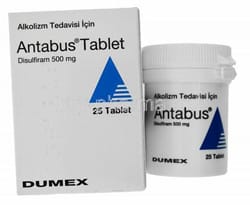
The retail market for Antabuse looks like a maze of mirrors—prices echo each other, yet small variations can accumulate. For the brand‑name 200 mg tablets, most Canadian mail‑order sites list a 30‑tablet pack at roughly $210, about $7 per tablet or $0.035 per milligram. When you move to the higher strength 500 mg pack, the same 30‑tablet bundle climbs to around $350, keeping the cost per tablet steady but raising the per‑milligram figure to $0.070.
Generic options often feel like a hidden oasis amid premium prices. A 250 mg generic pack of 30 tablets usually sells for about $140, making each pill $4.67 and each milligram just $0.0187. The 500 mg generic tops out near $280 for the same quantity, keeping the per‑tablet price at $9.33 and the per‑milligram cost at $0.0355—almost identical to its brand‑name counterpart but with a slightly lower margin.
Canada Drugs Direct offers new customers a 10 % off coupon (CDD10NEW) capped at $100. That means a $210 brand pack could drop to about $189, while the generic 250 mg set might slip from $140 to roughly $126. Other pharmacies provide promo codes ranging from 5 % to 15 %, but none match Canada Drugs Direct’s generous cap.
Here is an overview of average prices on three top Canadian mail‑order sites—Canada Drugs Direct, Medstore.ca, and HealthWarehouse.ca. All figures are rounded to the nearest dollar and reflect the latest public listings as of May 2026.
| Site | 200 mg Pack (30 tablets) | 500 mg Pack (30 tablets) |
| Canada Drugs Direct | $210 | $350 |
| Medstore.ca | $220 | $360 |
| HealthWarehouse.ca | $215 | $355 |
The price spread remains tight across platforms. Even with a 10 % coupon, Canada Drugs Direct still holds a slight edge—especially for the generic 250 mg option, where a $140 pack can be pulled down to just over $126. For those weighing brand versus generic, the per‑milligram cost often decides; at roughly $0.0187 for generics, it offers a compelling bargain compared to the $0.035–$0.070 range of branded variants.
How to Verify Prescription Eligibility Before Buying Online
Antabuse, or disulfiram, is prescription‑only in both the United States and Canada. In U.S. federal law it is listed as a Schedule IV medication, so only a licensed provider can write an electronic prescription. Canadian provinces require a prescription from an authorized clinician before any pharmacy—online or brick‑and‑mortar—can dispense the drug.
To obtain that electronic prescription you’ll need to schedule an appointment with a qualified provider. Many clinicians now offer telehealth visits, so you can discuss your alcohol use disorder and treatment goals from home. The provider reviews your medical history, runs any necessary labs, and sends the prescription directly to the pharmacy via e‑Rx, ensuring legal compliance and immediate action.
Telemedicine platforms such as Dirx Health specialize in behavioral health and can connect you with a licensed physician familiar with disulfiram therapy. The process typically involves a brief video consultation, after which the doctor transmits your prescription to the pharmacy of choice. Because the transaction happens online, there’s no need for fax or paper forms—just a secure digital link.
Once you have the e‑Rx, vet the pharmacy itself. Confirm that the site holds an active National Drug Authority (NDA) license in Canada or a state pharmacy board license in the U.S. Look for “Licensed” badges on the homepage, and if unsure, search the regulator’s public database. A reputable online pharmacy will also display its contact information clearly and offer customer support via phone or chat.
Check user reviews and third‑party ratings from sites like ShopperApproved or Trustpilot. Pay attention to comments about prescription fulfillment speed, packaging integrity, and customer service responsiveness. A pharmacy that consistently receives high marks for accuracy and transparency respects the legal framework surrounding disulfiram.
Finally, ask the pharmacy directly whether they can provide proof of licensing—most will offer a PDF or a link to an official registry. If you’re purchasing from Canada Drugs Direct, their license details appear under “Pharmacy Partner” and confirm that they are a licensed mail‑order pharmacy in British Columbia and Manitoba.
By following these steps—ensuring the drug is prescription only, obtaining a valid electronic prescription through a licensed provider or telehealth service, and verifying the pharmacy’s credentials—you’ll protect yourself from counterfeit products and legal pitfalls while securing the medication you need for recovery.
Step‑by‑Step Order Process at Canada Drugs Direct
Create an account or log in by clicking “Login” on the top right corner of the home page. If you’re new, click “Sign up” and fill out your personal details, email, and a strong password. Once logged in, navigate to Antabuse by selecting the prescription tab or using the search bar. The site will prompt you to choose your preferred dosage strength—200 mg, 250 mg, or 500 mg—and pack size. Decide how many tablets per package and whether you want a single box or multiple.
After selecting the product, click “Add to Cart.” A pop‑up will ask you to upload your scanned prescription. Attach a clear PDF or JPEG of the e‑Rx; licensed pharmacists verify it within 24–48 hours. While waiting for confirmation, review the cart, adjust quantities, or remove items. Once approved, the “Proceed to Checkout” button becomes active.
In the checkout screen, choose your dosage strength again if needed, then set the pack size (e.g., 30 tablets) and quantity—most customers opt for a one‑month supply of 30 tablets. The price updates automatically based on selected options. If you have a coupon code, enter “CDD10NEW” in the discount field; this applies a 10 % off up to $100, reducing the total cost accordingly. Review the subtotal, shipping fees, and final amount before moving forward.
Next, select your preferred shipping method: standard (5–7 business days) or expedited (2–3 business days). The shipping cost is displayed next to each option. After confirming the delivery address, click “Continue.” You will then be directed to the payment page where you can enter credit card details or choose another accepted payment method. A confirmation screen summarizes your order: product name, dosage, pack size, quantity, applied discount, shipping choice, and total price in USD.
Finally, review all information one last time, click “Place Order,” and receive an email receipt with a tracking number once the package ships. The pharmacy’s customer support team is available 24/7 to answer any questions or address concerns about your order. For more detailed guidance on prescription eligibility and pharmacist verification, see this authoritative resource.
Shipping Options and Delivery Times
Standard shipping with Canada Drugs Direct typically takes 5–7 business days after the order clears customs and is dispatched from the Canadian warehouse. The cost for this option is $12.99, a modest fee that keeps your medication on an economical timeline. Expedited shipping slashes delivery to 2–3 business days but comes with a surcharge of $24.99. For patients who need Antabuse promptly, the faster route can be worth the extra spend.
Because disulfiram is temperature‑sensitive, every shipment is wrapped in insulated packaging and includes ice packs or gel chillers. The courier’s refrigerated truck keeps the contents within a narrow 2–8 °C window, ensuring the tablets retain potency from the Canadian warehouse to your doorstep. If you live in a hot climate, the cool‑pack system has proven reliable; one reviewer noted that even in Arizona’s desert heat the medication arrived perfectly preserved.
Once the package is on its way, Canada Drugs Direct assigns a unique tracking number visible in your order confirmation email and in the “Order History” section of your account. The courier’s online portal lets you monitor real‑time status updates—from In Transit to Out for Delivery. If any hiccup occurs—say, a delayed customs clearance—you can reach out via live chat or call 1-888-904-8467; the support team is available 24/7 to resolve delivery issues.
Federal holidays and peak shopping seasons can push delivery times beyond the advertised windows. Orders placed around Thanksgiving or Christmas often experience a one‑day delay due to increased carrier volume. Similarly, during Canada’s statutory holidays—such as July 1st (Canada Day) or December 25th—the courier may pause operations for a day, adding a short hold before the shipment resumes.
Plan your order at least two weeks before any major holiday if you need Antabuse urgently. If you opt for expedited shipping, double‑check that your address is complete; missing details can trigger customs holds or delivery rejections. Understanding these nuances—costs, temperature safeguards, tracking tools, and holiday impacts—helps you navigate the logistics of buying Antabuse online with confidence.
For more detailed information on shipping policies and how we handle temperature‑sensitive medications, visit our authoritative resource: Blink Health Antabuse Shipping Guide.
Comparing Antabuse with Other Alcohol Treatment Medications
Disulfiram (Antabuse) is priced at roughly $120 for a 30‑tablet pack of 200 mg tablets, while Naltrexone – the oral form taken daily – averages about $90 for a 30‑day supply. Acamprosate, another daily pill, comes in around $110 for a month’s worth of 333 mg tablets. Those figures come from Canada Drugs Direct’s latest catalog and reflect typical wholesale prices before any promotional discounts.
The monthly cost curves shift when you factor in dosage. Disulfiram is usually prescribed at 250–500 mg once daily, meaning the same 30‑tablet pack stretches a full month. Naltrexone comes in 50 mg capsules taken twice a day; a 60‑tablet bottle would cover two months, cutting the per‑month price by about one third. Acamprosate’s standard dose is 333 mg three times daily, so a 90‑tablet pack is needed for a month, raising the monthly bill slightly above Disulfiram if you buy in bulk.
A meta‑analysis published in The Lancet found that patients on Disulfiram had a 12 % higher abstinence rate at one year compared to placebo, but the benefit plateaued after six months. Naltrexone showed a 9 % lift in abstinence with fewer side effects, while Acamprosate’s advantage was most pronounced in heavy drinkers who also had liver impairment. When you overlay these efficacy numbers onto price, Disulfiram offers a solid cost‑efficiency ratio for patients who can tolerate its bitter aftertaste.
Patient preference also influences decisions. Some favor Naltrexone because it doesn’t trigger an acute reaction if a drink slips through; others choose Acamprosate for its minimal drug interactions and lower hepatotoxicity risk. Disulfiram appeals to those who value the deterrent mechanism—a reminder that alcohol will be unpleasant, which can reinforce sobriety in certain personalities.
Insurance coverage plays a role. In many plans, Naltrexone is covered under generic drug tiers with modest copays, whereas Disulfiram often falls under specialty medication brackets that carry higher out‑of‑pocket costs. Acamprosate’s tier status varies widely; some insurers waive most of the monthly fee for patients on Medicaid or Medicare Part D.
When comparing side‑by‑side prices, remember that a single tablet can cost more than an average coffee cup—yet the long‑term payoff in reduced hospital visits and improved quality of life may justify the upfront expense. For those weighing options, a quick spreadsheet mapping monthly costs against clinical benefit scores can illuminate the true value proposition.
For the most accurate pricing and potential discounts, visit Canada Drugs Direct’s Antabuse page. The site offers a price‑match guarantee that could shave $20–$30 off the list price if you spot a lower offer elsewhere.
Real‑World Usage Scenarios for Antabuse
Daily life with disulfiram involves taking the pill once each dawn, usually before breakfast or coffee. The routine is simple: swallow the tablet with water, then keep alcohol strictly out of reach. Patients often pair this ritual with a glass of water at lunch and another at dinner to stay hydrated, ensuring the drug’s steady presence while avoiding accidental exposure.
Most clinicians start therapy at 500 mg for the first one or two weeks to build tolerance. After that, the dose is trimmed to 250 mg daily, allowing the medication to linger in the bloodstream long enough to trigger a reaction if alcohol sneaks in. The schedule aligns neatly with standard workdays, so patients can fit the pill into their morning commute without missing a beat.
Those who thrive on Antabuse are usually individuals with a pronounced aversion to drinking—someone who has seen the ruinous spiral of a loved one and wants a tangible deterrent. The bitter aftertaste that surfaces in the first two weeks can be a psychological cue, reinforcing sobriety each time a sip is avoided.
Consider Mark, a 42‑year‑old accountant whose late nights at the office were punctuated by weekend drinks. After enrolling in a recovery program, his therapist prescribed disulfiram. The daily dose became part of his routine: he’d take it with breakfast, leave a reminder on his phone for lunch, and check in with a support group every Friday evening. Within three months, Mark reported fewer cravings and a stronger sense of control.
Drug interactions can raise the cost of care by necessitating extra monitoring. Disulfiram reacts with ethanol but also interacts with medications that contain alcohol or certain cough syrups. If a patient is on antihypertensives like clonidine, the combined effect may prompt additional blood pressure checks, driving up healthcare visits and out‑of‑pocket expenses.
Patients on statins, such as simvastatin, may experience heightened myopathy risk when disulfiram is added. This could lead to a costly lipid panel and possible medication adjustment, nudging the overall treatment budget higher than anticipated. In some cases, insurance plans flag these interactions, requiring pre‑authorization that adds administrative overhead.
If an accidental spill of alcohol occurs—say a colleague offers a celebratory drink—the individual must seek medical attention promptly; in rural areas this could mean a trip to the nearest emergency department, adding both time and cost.
Travel complicates matters further. When crossing borders, travelers must carry proof of prescription and be prepared for customs inspections. Some countries prohibit disulfiram, so patients may need to secure a letter from their physician or arrange an alternative treatment while abroad. This extra paperwork can translate into travel insurance premiums or out‑of‑pocket fees.
Insurance coverage for Antabuse varies widely. In Canada, many provincial plans cover the drug under the specialty medication tier, meaning patients pay a copay that could range from $30 to $80 per month. U.S. Medicare Part D often lists disulfiram as a high‑cost drug, pushing patients toward higher out‑of‑pocket costs unless they qualify for supplemental coverage.
For those on private insurance in the U.S., the pharmacy benefit manager may require prior authorization, delaying first fills and potentially adding a $15 administrative fee. If a patient’s plan includes a medication cost‑sharing reduction, the monthly expense could drop to under $20—an attractive proposition for long‑term users.
In summary, Antabuse fits neatly into a structured daily routine but demands vigilance regarding interactions, travel logistics, and insurance nuances. By anticipating these variables, patients can keep costs predictable while reaping the benefits of a powerful deterrent against alcohol consumption.
For more detailed information on how disulfiram is prescribed and monitored, visit this authoritative resource.
Customer Feedback & Trust Factors
The latest snapshot from Canada Drugs Direct shows Antabuse receiving an impressive 4.8‑star average out of five, based on a growing pool of verified reviews. Customers applaud the site’s streamlined checkout and clear dosage instructions, often noting that the pharmacy delivers the medication within two business days—an advantage for those who need to start treatment promptly.
Fast shipping appears frequently in praise comments; reviewers describe packages arriving wrapped in insulated packaging, ensuring the pills remain stable even in hot climates. Clear, concise instructions accompany each order, and pharmacists are often mentioned as responsive when patients call with questions about dosing schedules or side‑effect management.
Not all feedback is positive. A handful of customers have raised concerns about delayed shipping during peak holiday periods, citing a one‑day lag that could jeopardize adherence to the medication’s strict daily regimen. Others point out occasional confusion over generic versus brand naming on the receipt, which can trip up patients who rely on their pharmacy app for medication lists.
To bolster confidence, buyers should cross‑check third‑party review sites such as Shopper Approved or Trustpilot. These platforms aggregate user experiences from multiple vendors and provide an independent rating that often mirrors the primary site’s score. By comparing the 4.8-star average here with ratings on external sites, shoppers can confirm consistency before placing an order.
When researching online pharmacies, verify that the seller is licensed and adheres to Canadian regulatory standards. A quick search for “Canada Drugs Direct pharmacy license” should reveal a government‑issued certification, while the Norton Shopping Guarantee seal on their site offers additional reassurance about secure transactions.
For legal guidance on purchasing disulfiram without a prescription, you may consult this authoritative resource, which outlines the nuances of Canadian pharmacy law and patient rights in 2026.
FAQs About Buying Antabuse Online
What documents are needed for a prescription upload? Canada Drugs Direct requires a scanned copy of your current prescription or a recent physician note that confirms the diagnosis and dosage. The file must be in PDF, JPG, or PNG format and not exceed 5 MB. If you’re reordering, simply attach the previous prescription; the system will auto‑populate the details for a smoother checkout.
Sometimes pharmacists request an additional confirmation of your health status, especially if you’ve had recent liver function tests. In that case, upload the latest lab report as a separate attachment. Keeping all documents in one PDF folder helps avoid delays and keeps the process moving efficiently.
If you’re unsure whether a document qualifies, reach out to customer service via chat or call 1-888-904-8467. They’ll confirm what’s acceptable and guide you through the upload interface so you won’t waste time scrambling for the wrong file type.
Can I reorder automatically after the first shipment?
The platform offers an “Auto‑Reorder” feature that lets you schedule future refills at fixed intervals. Once your initial order ships, enable auto‑reorder in your account dashboard and set a monthly or bi‑monthly cadence. This eliminates the need to remember to place orders manually each time your supply runs low.
Auto‑reorders are subject to prescription validity. If your doctor’s note expires before the next shipment, you’ll receive an email reminder to upload a new prescription. It serves as a friendly nudge from your pharmacist to keep the treatment on track.
Some patients prefer manual reordering so they can adjust dosage or switch between brand and generic versions. In that case, disable auto‑reorder and place each refill as needed, ensuring you have the most up‑to‑date prescription on file.
How does Canada Drugs Direct handle price‑match guarantees?
The pharmacy promises a 125% price match guarantee: if you find a lower price at another licensed mail‑order pharmacy, they will not only match it but beat it by 25 % of the difference. For instance, if Antabuse is listed for $60 elsewhere and you purchase it from Canada Drugs Direct for $50, you’ll receive an additional $2.50 discount, bringing your total to $47.50.
To claim the match, mention “price‑match” when customer service calls to collect payment or call 1-888-904-8467 directly. The pharmacist verifies the competing price and applies the discount over the phone. This guarantee applies only to new, identical products in stock at the time of purchase.
Note that the match is valid only at the point of sale; if the competitor’s price drops after you’ve paid, Canada Drugs Direct won’t offer a retroactive adjustment. Double‑check before finalizing your order.
What should I do if my medication arrives damaged or delayed?
If the package shows signs of damage—cracked blister packs, broken seals, or missing pills—contact customer service immediately via chat or call 1-888-904-8467. Provide photos and a detailed description; most claims are resolved within 48 hours with either a replacement shipment or a full refund.
For delayed deliveries, check the tracking number on your order confirmation email. If it shows “delayed” or “out for delivery” but hasn’t arrived after 72 hours, reach out to the courier’s customer support and then inform Canada Drugs Direct. They’ll investigate and may offer expedited shipping at no extra cost.
In rare cases where a shipment is lost in transit, the pharmacy has an insurance policy that covers the full value of the medication. File a claim through their online portal within 30 days of purchase, and you should receive reimbursement or a prompt replacement—no more waiting for your treatment to get back on track.
For further guidance on navigating prescription issues, visit this authoritative resource.
- Viagra
- Cialis
- Stromectol
- Cenforce
- Amoxil
- Levitra
- Vidalista
- Kamagra
- Zithromax
- Fildena
- Neurontin
- Lasix
- Ventolin
- Cialis Black
- Kamagra Oral Jelly
- Clomid
- Prelone
- Antabuse
- Priligy
- Viagra Soft
- Cialis Professional
- Viagra Super Active
- Synthroid
- Motilium
- Hydroxychloroquine
- Vibramycin
- Metformin
- Tadalista
- Cytotec
- Cialis Daily
- Cipro
- Female Viagra
- Cialis Soft
- Viagra Professional
- Strattera
- Inderal
- Tretiva
- Augmentin
- Cialis Super Active
- Wellbutrin Sr
- Isofair
- Diflucan
- Sildalis
- Flagyl
- Vilitra
- Propecia
- Cialis Super Force
- Estrace
- Isotroin
- Xenical
- Lumigan
- Careprost
- Baclofen
- Viagra Generic
- Cialis Generic
- Levitra Generic
- Super Kamagra
- Cobra 120mg
- Doxycycline
- Aciclovir
- Aciclovir Cream
- Vermox
- Tretinoin Cream
- Tretinoin CGel
- Prozac
- Nolvadex