

Cipro 500mg – Order Now for Fast Delivery & Lowest Price
Dosage & Administration: How to Take Ciprofloxacin 500mg
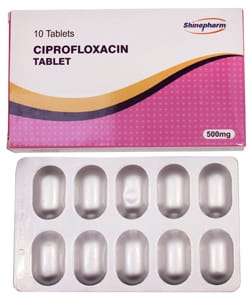
Ciprofloxacin is taken twice daily: one tablet every 12 hours. This schedule keeps the drug level above the bacterial kill threshold while allowing predictable breaks for meals and rest.
Take the first dose with breakfast—ideally on an empty stomach or after a light bite. The second dose follows the same pattern at dinner, keeping it 12 hours apart from the morning dose. Avoid heavy dairy or calcium‑fortified drinks right before or after.
Dairy contains calcium that complexes with ciprofloxacin and blocks absorption. Wait at least two hours after milk or yogurt, or take your dose before these foods. A glass of water helps the tablet dissolve.
Tablets and suspension differ in texture but not principle. The tablet is a solid disk—swallow whole, no chewing, no crushing. If you need to split a 500 mg tablet for dose adjustment, break only along the scored line; each half should be 250 mg. For the liquid suspension, shake the bottle for 15 seconds before each use to mix granules evenly, then sip the measured dose without biting into the particles.
Missing a dose is common in busy lives. If you forget within an hour of your scheduled time, take it immediately—don’t double up later. However, if it’s close to the next dose (say 10 minutes before), skip the missed one and resume the regular schedule. This keeps the drug concentration steady without risking a high peak that could raise side‑effect risk.
Sometimes you may need to split doses because your doctor prescribes a lower daily amount or you’re tapering. In such cases, divide the tablet precisely along the score line; do not crush or chew. For liquid suspension, use the measuring spoon provided—accurate dosing is vital for efficacy and safety.
While sipping the liquid, remember to close the bottle tightly after each dose to prevent contamination. Store the suspension in a cool place; refrigerate if you’re unsure how long it will stay fresh. The tablet should sit at room temperature, away from heat and moisture—no bathroom shelf for the pills.
If you ever feel that your stomach is rattling or your heart’s beating faster after a dose, stop the medication and contact your pharmacist or physician immediately. These could be early signs of an interaction with caffeine or other supplements you might be taking.
Finally, keep your medication out of reach of children and pets. The container should remain sealed until you’re ready to swallow the next dose—think of it as a secret vault that only you have the key to.
Learn more about ciprofloxacin dosing from RedBox RxPrice Breakdown: What $25 Means for Your Wallet
RedBox Rx offers 500 mg ciprofloxacin for a flat $25. Compared to other sites—where prices range from $30 to over $70 for a full course—this is a bargain. The key difference lies in their no‑insurance model: you pay upfront and avoid the hidden costs that drip into your bill elsewhere.
When you break it down, $25 covers 14 tablets at $1.79 each. That translates to roughly $2 per day for a typical 7‑day UTI treatment or $3.57 per day for a longer 10‑day course. Other pharmacies often charge between $2.50 and $4.00 per tablet, pushing the daily cost up by 40–80 %. For someone on a tight budget, that margin can be the difference between buying medication and skipping it.
Hidden fees are the silent thieves of many online orders. RedBox Rx eliminates shipping charges for U.S. customers—so your $25 stays where you put it. Other vendors add $5–$10 for standard delivery or a flat fee if you request expedited shipping. In some cases, a “service” charge of up to $15 creeps in under the guise of handling fees. With no insurance, those extra dollars are saved.
Shipping costs can also vary with distance and speed. RedBox Rx uses discreet packaging that is often free or included in the base price. Other pharmacies may offer a free 2‑day window but charge $12 for overnight, while some require you to pay a separate freight fee of $8–$15 if you’re out of state.
Insurance‑free pricing means there’s no surprise copay or deductible pop-up at checkout. The $25 is the final tally—no extra line items appear once you hit “purchase.” That transparency lets you compare apples to apples and avoid the hidden tax that sometimes shows up as a percentage surcharge on other platforms.
In summary, RedBox Rx’s $25 price point offers a straightforward, no‑frills purchase. By cutting out shipping, handling, and insurance complexities, it delivers a clear value proposition: 500 mg ciprofloxacin for less than a third of what you might pay elsewhere, with every cent accounted for.
Want to see how the pricing stacks up? Check out CiPharmDelivery, another reputable source that lists comparable prices and shipping options.
Ordering Process: From Consultation to Doorstep Delivery
Telehealth Assessment begins when you click the “Start Consultation” button on the site’s home page. Within minutes, a short questionnaire pops up asking about symptoms, medical history, and any current medications. This data feeds directly into an AI triage system that flags red‑flag conditions—think severe pain or fever—and routes your case to a licensed U.S. doctor for review.
Once the physician reviews your information, they’ll send you a brief confirmation email detailing next steps. If they determine ciprofloxacin is appropriate, they’ll write a digital prescription and forward it securely to the pharmacy’s backend. The whole process takes less than an hour from first click to prescription approval—fast enough that many patients finish their order before lunch.
After approval, you’re prompted to select your preferred delivery slot. The platform offers standard, expedited, or same‑day shipping (where available). You can also choose a discreet box size; the pharmacy guarantees no visible labeling on the outer package so neighbors won’t know what’s inside.
Prescription Verification
A licensed U.S. doctor reviews every prescription before it leaves the system. The physician confirms dosage, checks for contraindications—such as recent antibiotic use or chronic kidney disease—and ensures the patient’s name matches the insurance ID if applicable. This step protects both patient safety and compliance with federal pharmacy regulations.
Once verified, the prescription is encrypted and transmitted to a licensed pharmacy partner. The pharmacist double‑checks the medication count and final dosage, then prepares the shipment in a controlled environment to maintain potency.
Shipping Timelines & Discreet Packaging
- Standard Shipping: 2–4 business days from order confirmation.
- Expedited Shipping: 1–2 business days, at an additional fee of $9.99.
- Same‑Day Delivery: Available in select metro areas; requires pre‑payment and a minimum order value of $50.
The package arrives in a plain, unmarked box with no product name on the outside—just a simple barcode for tracking. Inside, each tablet is sealed in tamper‑evident foil to preserve integrity. The entire process is designed so that even the most privacy‑conscious customers can feel secure.
Tracking & Customer Support
Once shipped, you’ll receive an email with a tracking number from the carrier (UPS, FedEx, or USPS). Click the link to view real‑time updates: when it leaves the warehouse, on its way, and when it’s out for delivery. If any hiccup occurs—like a delayed package or missing signature—you can log into your account portal and submit a support ticket.
Customer service is available 24/7 via live chat, email, and phone. For urgent questions about side effects or dosage adjustments, the pharmacy offers an on‑call pharmacist hotline that answers within minutes. All interactions are recorded for quality assurance and to improve future user experience.
For more detailed information on how orders are processed and delivered, visit this authoritative source.
Safety & Side‑Effect Checklist Before You Start
Ciprofloxacin 500 mg can be a lifesaver for urinary tract infections, but it’s not without its quirks. The first thing you’ll notice is the stomach‑ticking rhythm of nausea and diarrhea that often follows the first dose—like a sudden wave at the beach that you wish you could see coming. These are common side effects; most people find them manageable with simple tweaks to diet and timing.
Skin sensitivity, especially to sunlight, can surface after a few days of therapy. Wearing broad‑brimmed hats, using SPF 30+ sunscreen, and avoiding tanning beds during treatment helps keep that bloom healthy.
Ciprofloxacin can affect blood clotting pathways, so it interacts with anticoagulants such as warfarin (Coumadin) or newer agents like apixaban. If you’re on a blood thinner, your doctor may adjust the dose or monitor INR levels more closely. Mixing these meds without guidance is best avoided.
Antidepressants, particularly selective serotonin reuptake inhibitors (SSRIs), can also interfere with ciprofloxacin’s metabolism. The combination may raise the risk of serotonin syndrome—a rare but serious condition that feels like a runaway train. Always disclose your full medication list to your prescriber before starting therapy.
Other noteworthy interactions include antacids containing calcium, magnesium, or aluminum; these can bind ciprofloxacin and reduce its absorption. Take the antibiotic at least two hours before or six hours after any such supplement or medication.
- Caffeine: Combining caffeine with ciprofloxacin may amplify jitteriness, insomnia, and heart palpitations. It’s best to keep coffee on the sidelines while you’re on this drug.
- Antibiotic overlap: If you’ve recently taken another fluoroquinolone (e.g., levofloxacin), wait at least 48 hours before starting ciprofloxacin to avoid stacking effects.
Sun exposure is a silent villain in the story of ciprofloxacin. The drug can increase photosensitivity, turning ordinary sunburns into blistering, painful reminders that you’re on medication. When outside, shield your skin with long sleeves and seek shade between 10 a.m. and 4 p.m., when UV rays are most potent.
To stay safe, keep a daily log of any side effects—nausea, dizziness, or unusual fatigue—and share it during follow‑up appointments. If you notice severe symptoms such as sudden vision changes, persistent vomiting, or high fever, contact your healthcare provider immediately; these could signal an allergic reaction or infection flare.
In the unlikely event of an overdose or a severe reaction—such as difficulty breathing, swelling of lips or tongue, or chest pain—dial emergency services at 911 right away. For non‑life‑threatening but concerning symptoms, call the Poison Control Center helpline at 1-800-222-1222. Having these numbers handy is like carrying a safety net while you navigate the ups and downs of antibiotic therapy.
For further reading on how to safely use ciprofloxacin, consult this authoritative source: Health Warehouse.
When to Call Your Doctor: Red Flags During Treatment
While most people feel better within a few days, some signs suggest the infection isn’t bowing to ciprofloxacin. A sudden spike in body temperature—especially above 101°F—or a sharp ache that settles around your lower back can signal that bacteria are still fighting or that the drug isn’t reaching its target. These red flags mean you should reach out to your provider before the next dose.
Allergic reactions, though rare, can erupt at any point during therapy. If you notice hives spreading across your arms, a tightness in the throat, swelling of the lips or tongue, or an abrupt difficulty breathing, treat it as an emergency. Even mild skin rashes that feel like they’re itching to bite should prompt a quick call; early intervention can prevent escalation.
Patients with diabetes or those on complex medication regimens often need extra vigilance. Your doctor may order follow‑up blood work—such as fasting glucose checks, HbA1c levels, and kidney function panels—to ensure that ciprofloxacin isn’t tipping your metabolic scales. If you’re taking metformin or insulin, monitor for any sudden changes in blood sugar readings and report them promptly.
Stopping treatment early, even if you feel fine, is a recipe for failure. Bacteria may survive the incomplete course and develop resistance, making future infections harder to treat. Stick to the full prescription schedule unless your doctor tells you otherwise.
For those who experience persistent nausea or vomiting that prevents oral intake, consider an alternative route if advised by a healthcare professional. However, do not switch to a different antibiotic without medical guidance—this could introduce new complications.
If your back pain intensifies and is accompanied by tingling in the legs or numbness, contact your doctor immediately. These symptoms might indicate a spreading infection that has reached the spine or nervous system, warranting urgent evaluation.
When on blood thinners like warfarin, ciprofloxacin can elevate INR levels. Your clinician may schedule an INR check within 48–72 hours of starting therapy and adjust the anticoagulant dose accordingly. Ignoring these checks could lead to dangerous clotting or bleeding events.
Allergy sufferers should carry a written list of known triggers and inform their healthcare team before beginning treatment. This proactive step can save precious minutes if anaphylaxis occurs, ensuring prompt administration of epinephrine and emergency care.
If you’re pregnant or breastfeeding, discuss potential risks with your provider before starting ciprofloxacin. Though the drug is generally safe in short courses, it may affect fetal development or pass into breast milk, necessitating alternative treatments.
In summary, stay alert for fever spikes, back pain, allergic signs, and lab abnormalities—especially if you have diabetes or are on interacting drugs. Never cut corners on dosage; completing the full course is your best defense against resistant bacteria and complications. If any doubt arises, a quick phone call can keep your treatment on track and safe.
Comparing Online Pharmacies: RedBox Rx vs CiPharmDelivery
When hunting for a cheap $25 Ciprofloxacin 500 mg, RedBox Rx’s low‑price promise is hard to beat. Their catalog lists the drug at exactly $25, and because they operate from a U.S. licensed pharmacy, shipping is free and typically arrives in 1–3 business days for most states. By contrast, CiPharmDelivery markets the same tablet for roughly $35 to $40, with an average delivery window of 4–6 days, depending on the region.
The payment options also diverge: RedBox Rx accepts major credit cards, Apple Pay, and even crypto via their partner wallet, while CiPharmDelivery only takes Visa or Mastercard. This flexibility can shave off a few minutes from checkout for customers who prefer digital wallets. Shipping speed ties into customer reviews; on Trustpilot, RedBox Rx boasts a 4.8‑star rating with comments about “instant shipping” and “fast delivery,” whereas CiPharmDelivery averages 4.2 stars with notes that “delivery was slow but the price was worth it.”
Trust badges paint a different picture of credibility. RedBox Rx displays the FDA‑approved pharmacy seal, the Secure Payment logo, and a “Verified Pharmacy” badge from Better Business Bureau on its product page. CiPharmDelivery, meanwhile, showcases a generic “Secure Checkout” icon and a “Fast Shipping” banner but lacks an official pharmacy accreditation stamp. When it comes to prescription approval times, RedBox Rx’s telehealth team reviews the questionnaire in under 24 hours, whereas CiPharmDelivery’s medical staff takes up to 48–72 hours before issuing the e‑prescription.
Geographic coverage further separates the two: RedBox Rx ships nationwide within the U.S., with a special “Express” option for those on the East or West coasts that guarantees arrival in just one business day. CiPharmDelivery’s service is limited to 30 states, and their return policy requires customers to ship back the unused medication in a prepaid envelope—an extra hassle that can cost time and money if the return label isn’t pre‑printed.
In short, while both pharmacies offer Ciprofloxacin at competitive prices, RedBox Rx’s lower cost, faster shipping, broader state coverage, and robust trust badges give it an edge for consumers who value speed and reliability. If you’re willing to pay a little more for a longer wait, CiPharmDelivery remains a viable option—especially if you happen to live in one of the 30 states they serve.
For the most authoritative details on RedBox Rx’s Ciprofloxacin pricing and policies, see their official product page: RedBox Rx Ciprofloxacin.
Legal & Regulatory Assurance: Why Your Order Is Safe
U.S. licensing of pharmacists and doctors is the backbone of any trustworthy online pharmacy. In the United States, each prescriber must hold an active medical license issued by a state board and maintain continuing education credits that keep them abreast of drug safety updates. Pharmacists likewise are licensed through state boards, and they must be registered with the American Pharmacists Association to dispense prescription medication responsibly.
When you order ciprofloxacin from a certified site, every step—from telehealth consultation to dispensing—is logged in a secure electronic system that meets Health Insurance Portability and Accountability Act (HIPAA) standards. This ensures that your medical history stays confidential while allowing licensed professionals to review your eligibility for the antibiotic.
FDA compliance for prescription drugs online means that every product listed must have an FDA-approved labeling statement, and the pharmacy must verify that the drug is not counterfeit. The FDA requires pharmacies to display a “Verified Pharmacy” badge that confirms the site has passed rigorous audits for quality control, inventory management, and patient safety protocols.
In addition to FDA oversight, online pharmacies often undergo independent testing by the NABP Accredited Pharmacy Verification Program (APVP). The APVP audit examines prescription handling, dispensing records, and pharmacy staff qualifications. A successful result earns the pharmacy a seal that appears prominently on product pages, reassuring you that your ciprofloxacin comes from a legitimate source.
Many reputable sites also partner with USP Pharmacopeia, whose standards for drug potency, purity, and labeling add an extra layer of trust. The USP “Verified” stamp indicates the medication meets stringent quality benchmarks before it reaches consumers.
Data privacy and secure payment gateways are non‑negotiable in today’s digital age. A certified pharmacy will use HTTPS encryption for all web traffic, ensuring that your personal information—name, address, insurance details—is transmitted securely. Payment processing is handled through PCI‑compliant gateways such as Stripe or PayPal, which encrypt credit card numbers and prevent data breaches.
To further protect you, many pharmacies implement two‑factor authentication (2FA) for account access. This means that even if someone obtains your login credentials, they would still need a second verification step—typically a code sent to your mobile device—to place an order.
Finally, most legitimate online pharmacies provide a clear privacy policy outlining how they collect, use, and store patient data. They also offer opt‑in options for marketing communications, ensuring that you control the flow of information from their side. By choosing a site with these safeguards in place, you can rest assured that your ciprofloxacin purchase is both legally compliant and personally secure.
For more details on how CiPharmDelivery upholds these standards, visit their official page: CiPharmDelivery.
Post‑Purchase Care: Storage, Disposal, and Follow‑Up
Keeping Your Cipro Fresh
The tablets that come in their original blister pack should sit at room temperature, tucked away from heat and moisture—think a cool pantry shelf rather than the bathroom. Avoid fluctuating temperatures; sudden cold can cause the capsules to become brittle. For the liquid suspension, chill it promptly after opening and keep it sealed tightly. The label typically says you have 14 days to finish each bottle, so treat that clock as your friendly reminder.
If you’re traveling or on a tight schedule, a small travel pouch with a zipper can keep tablets from getting squashed in a backpack. Just remember: the suspension must stay refrigerated unless the manufacturer explicitly states it’s room‑temperature stable. A quick shake of 15 seconds before each dose guarantees an even distribution of the active ingredient.
When to Toss, Not Flush
Never pour unused medication down the drain or flush it with toilet water—this can pollute waterways and harm aquatic life. Instead, contact your local pharmacy for a take‑back program; many communities run monthly drop‑off days at hospitals or drugstores. If no such option exists nearby, mix the pills in an unbreakable container of used coffee grounds or kitty litter, seal it in a plastic bag, and dispose of it with regular trash.
For the suspension, if you’re past the 14‑day window, discard the bottle by sealing the cap tightly and placing it in your household waste. This simple act prevents accidental ingestion by pets or curious children who might think a “mystery drink” is safe.
Log It Like a Pro
A medication diary can be your best ally when you revisit your doctor or need to explain symptoms to a pharmacist. Note the date, dose taken, any missed pills, and how you felt afterward—nausea, dizziness, or a sudden burst of energy. Keep this log in a notebook or a dedicated app; a quick glance can reveal patterns that help your healthcare provider tailor future treatments.
When you’re ready for a refill or a new prescription, bring the log to the appointment. It saves time and reduces the chance of miscommunication, especially if you’ve been juggling multiple meds or supplements. Your own record becomes a bridge between you and your medical team.
Taming Side Effects at Home
Most people experience mild gastrointestinal upset—nausea, diarrhea, or a bit of stomach pain. To soothe the gut, sip water slowly, avoid heavy meals right after taking Cipro, and consider a probiotic yogurt to restore good bacteria. If you feel dizzy or light‑headed, stand up slowly from a seated position; this simple trick can ward off fainting spells.
Some patients report tingling in fingers or toes—peripheral neuropathy—especially when taken over long courses. Keep your hands warm, stretch regularly, and if the sensation worsens, alert your doctor immediately. Remember: while Cipro is powerful against bacteria, it’s not a cure‑all; listening to your body and acting promptly can prevent minor side effects from turning into major concerns.
For those prone to photosensitivity, slip on sunglasses, wear long sleeves, and apply broad‑spectrum sunscreen when stepping outside. The medication may make your skin act like a tinderbox under the sun, so protective gear is not just wise—it’s essential.
- Need more details? Check out the official product page for Cipro: Ciprofloxacin (Cipro®) 500 mg.
- Viagra
- Cialis
- Stromectol
- Cenforce
- Amoxil
- Levitra
- Vidalista
- Kamagra
- Zithromax
- Fildena
- Neurontin
- Lasix
- Ventolin
- Cialis Black
- Kamagra Oral Jelly
- Clomid
- Prelone
- Antabuse
- Priligy
- Viagra Soft
- Cialis Professional
- Viagra Super Active
- Synthroid
- Motilium
- Hydroxychloroquine
- Vibramycin
- Metformin
- Tadalista
- Cytotec
- Cialis Daily
- Cipro
- Female Viagra
- Cialis Soft
- Viagra Professional
- Strattera
- Inderal
- Tretiva
- Augmentin
- Cialis Super Active
- Wellbutrin Sr
- Isofair
- Diflucan
- Sildalis
- Flagyl
- Vilitra
- Propecia
- Cialis Super Force
- Estrace
- Isotroin
- Xenical
- Lumigan
- Careprost
- Baclofen
- Viagra Generic
- Cialis Generic
- Levitra Generic
- Super Kamagra
- Cobra 120mg
- Doxycycline
- Aciclovir
- Aciclovir Cream
- Vermox
- Tretinoin Cream
- Tretinoin CGel
- Prozac
- Nolvadex